

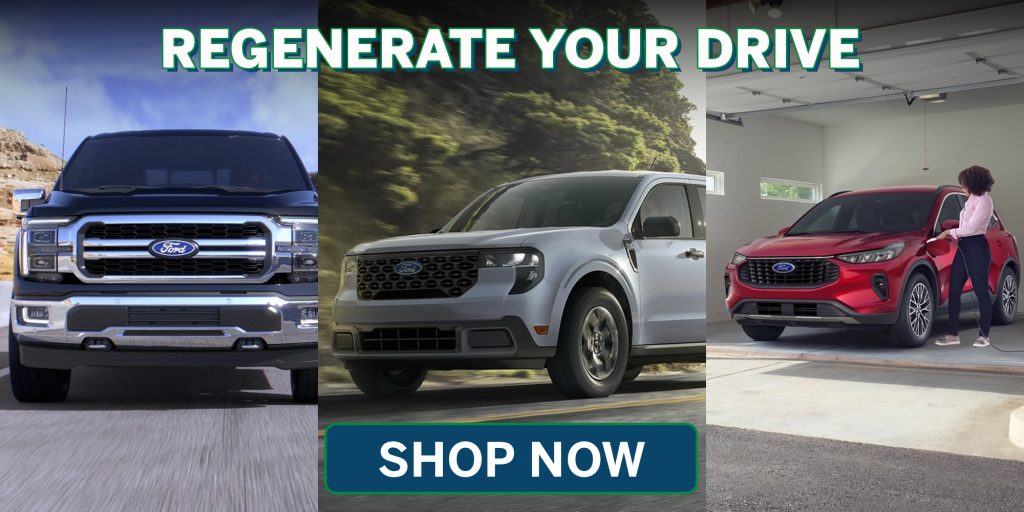
Storing Power For Later
At Wiscasset Ford, we’re proud to be at the forefront of automotive innovation, and few technologies are as impactful and often misunderstood as regenerative braking. As more drivers shift toward hybrid and plug-in hybrid vehicles, understanding how Ford’s regenerative braking works can help you get the most from your car regarding efficiency, performance, and sustainability. In this article, we’ll explore how the regenerative braking systems work so that you can better understand hybrid capability and choose for yourself whether they’re the right fit for your next vehicle. Visit us today in Wiscasset, ME!
What is Regenerative Braking?
Traditional braking systems rely entirely on friction. When you press the brake pedal, calipers clamp down on the brake pads, which press against the brake rotors. This converts the car’s kinetic energy into heat, which is then wasted into the atmosphere.
Ford regenerative braking turns that old model on its head. Rather than relying solely on friction to stop the vehicle, regenerative braking systems convert the vehicle’s momentum into usable energy. When you lift your foot off the accelerator or apply the brakes, the electric motor reverses its role and acts as a generator. This recaptures kinetic energy that would otherwise be lost and stores it in the battery for future use. In Ford hybrid and plug-in hybrid models, your vehicle can recover energy during city driving, in stop-and-go traffic, or when coasting downhill, all of which help extend the electric driving range and improve fuel efficiency.
Plug-In Hybrid Regenerative Braking: What Makes It Different?
The principles behind regenerative braking are similar across all hybrid and electric vehicles, but plug-in hybrids offer some unique advantages. Plug-in hybrid regenerative braking in Ford vehicles plays a critical role in extending the battery’s electric-only driving range.
Unlike conventional hybrids, which can only operate on electric power for short distances, plug-in hybrids like the Ford Escape Plug-In Hybrid can drive extended distances using electricity alone. Regenerative braking in these vehicles helps replenish the high-voltage battery more effectively, especially in urban environments. As plug-in hybrids rely more heavily on their electric motors, maximizing energy recovery through regenerative braking becomes even more important. This feature can make the difference between having enough battery charge to make your commute gas-free.
How Much Range Does Regenerative Braking Add?
The amount of range Ford regenerative braking adds depends on how you drive, the terrain, and how frequently you brake. In a Ford hybrid or plug-in hybrid, regenerative braking can contribute meaningfully to your battery’s charge, especially in stop-and-go traffic or during city driving. On average, you can recover anywhere from 10% to 30% of your energy through regenerative braking. For plug-in hybrids, this can translate to several extra miles of electric range over the course of a single trip.
For example, in vehicles like the Ford Maverick Hybrid or Escape Plug-In Hybrid, drivers who employ smart braking habits can see improved overall efficiency. If you’re descending a steep hill or navigating through traffic, the regenerative braking system captures a portion of that lost energy and stores it, helping extend your electric driving experience. While Ford regenerative braking won’t replace charging or fuel refills, it does provide a noticeable efficiency boost and allows your vehicle to work smarter, not harder.
Does Regenerative Braking Use Brake Pads?
In most scenarios, Ford regenerative braking provides the initial deceleration. This process doesn’t use brake pads at all, as it uses the electric motor to slow the vehicle by reversing its operation, meaning no friction, heat, or wear on your brake pads. However, when more stopping power is needed, such as during emergency braking or at very low speeds, the traditional friction brakes (i.e., brake pads and rotors) still kick in. Ford hybrids are engineered with a seamless integration between regenerative and friction braking systems, so you won’t notice the transition. This dual-braking approach improves efficiency and reduces wear and tear on brake pads. Many hybrid and plug-in hybrid owners report needing brake replacements far less frequently than those who drive conventional gas vehicles.
The Future Is Regenerative
Ford’s commitment to electrification is about rethinking how cars use and conserve energy, and Ford’s regenerative braking is one of the most essential tools in this mission. Whether you’re looking at hybrid cars with regenerative braking like a compact Ford Maverick, a family-ready Ford Escape Hybrid, or a plug-in powerhouse like the Ford F-150 PowerBoost, these vehicles can make a huge difference in how smart, cleaner, and more efficient you can drive. At Wiscasset Ford, we believe that understanding your vehicle is the first step toward making the most of your investment. If you’re curious about Ford regenerative braking or want to test drive one of our hybrid models, we’d love to show you how this innovative system works and how it can transform your everyday driving. Visit us today in Wiscasset, ME!
Are Hybrid Cars Good In Cold Weather?

Hybrid Car Handling In Extreme Temperatures: Built For Any Weather
At Wiscasset Ford, we know a thing or two about harsh winters. Hybrid cars face unique cold-weather challenges, but advancements in technology have made them more reliable in winter conditions. Icy roads, freezing mornings, and snowstorms are just a part of life here on the coast of Maine. So when customers ask us how hybrid cars are in cold weather, it’s more of a lifestyle question than a casual one. For New Englanders, it’s about whether their vehicle can start reliably on a 0° morning, handle slick hills, and keep them safe and warm when the snow starts falling. In this article, we’ll explore how hybrid cars perform in cold weather and whether they’re a smart choice for winter when driving in places like Wiscasset, Augusta, or anywhere else where “flurries” often turn into full-blown blizzards. Visit us today in Wiscasset, ME!
Do Hybrid Cars Work in Cold Weather?
Yes, hybrid cars work in cold weather, but like any other vehicle, extreme temperatures can affect performance. Cold weather affects components of a hybrid, including the internal combustion engine and battery performance. In low temperatures, the battery becomes less efficient, which can reduce fuel economy slightly. However, modern hybrid systems are designed to compensate for this. When battery efficiency dips in hybrids due to cold weather, the gasoline engine compensates, ensuring reliable performance.
Many of today’s hybrids, including those from Ford, are built with cold-weather operation in mind. They use insulated battery packs, smart engine control systems, and regenerative braking that helps recharge the battery even in winter conditions. This dual-engine system ensures consistent performance even in challenging winter conditions. So, does cold weather affect hybrid cars? Technically, yes, but thanks to engineering improvements, it’s not nearly the concern it used to be.
Starting A Hybrid On A Cold Morning
You might remember stories of older hybrid models struggling to start in sub-zero temperatures.. Fortunately, times have changed, and most newer hybrid cars, in cold weather, start just as reliably as traditional gas-powered vehicles, even when the mercury drops below freezing. Many Ford Hybrid models automatically warm up the gas engine during cold starts, which not only protects the engine components but also ensures cabin heat is available faster, which is a nice perk on those brisk Maine mornings. If your hybrid sits outside overnight, it may engage the gas engine more frequently on startup in the winter, but this is normal and ensures that everything runs smoothly.
Hybrid Cars in Winter: Handling Snow, Ice, and Slush
Are hybrid cars good in snow? The answer depends less on the powertrain and more on the vehicle’s entire drivetrain setup. For example, the Ford Escape Hybrid and Ford Maverick Hybrid offer all-wheel drive options, making them skillful winter warriors when paired with quality snow tires. All wheel drive hybrid models deliver the same torque to all four wheels when needed, helping you maintain traction on snowy and icy roads. Regenerative braking systems also help to slow the vehicle smoothly, reducing the chance of sliding and slippery conditions.
Hybrid vehicles equipped with all-wheel drive and quality snow tires can handle cold conditions effectively, providing reliable traction and stability. If you’re seeking a hybrid for winter use, look for all-wheel drive or four-wheel drive capability, ground clearance suited for snow, traction/stability control systems, and heated seats or steering wheels to keep you comfortable. With the right setup, hybrid cars in cold weather can be every bit as capable as their gas-powered counterparts.
What About Hybrid Fuel Economy in Cold Weather?
Another common concern is that cold weather causes a drop in fuel consumption, and it’s true that hybrid cars in cold weather can see reduced fuel efficiency. Cold temperatures can lead to increased fuel consumption for hybrids, but they still maintain a level of efficiency and eco-friendliness. The battery takes longer to warm up, the gas engine runs more to provide heat, colder air increases drag and resistance, and tire pressure drops, increasing rolling resistance.
However, this isn’t unique to hybrids. All cars, regardless of powertrain, suffer some fuel economy loss in the winter. The difference is that hybrids still tend to outperform the traditional gas vehicles on MPG, even in the cold. Proper care and maintenance of hybrid batteries can significantly impact their performance and longevity in cold weather. If maximizing winter MPG is your goal, consider keeping tires properly inflated, using seat heaters instead of blasting cabin heat, parking in a garage when possible, and driving smoothly to optimize regenerative braking.
Are Hybrids Right For Winter In Maine?
For many of our customers in the Wiscasset area, hybrids are not just a suitable option but a smart, efficient option for year-round driving. If you’re still asking yourself whether hybrid cars are good in cold weather, see for yourself at our dealer. We have hybrid models available for test drives right here in Wiscasset, and our team would be happy to walk you through the pros and cons of each based on your lifestyle and winter driving needs. Don’t let ice steer you away from saving on gas or reducing emissions. Ready to try one out? Stop by Wiscasset Ford or contact us online to schedule your winter-ready hybrid test drive. Visit us today in Wiscasset, ME!
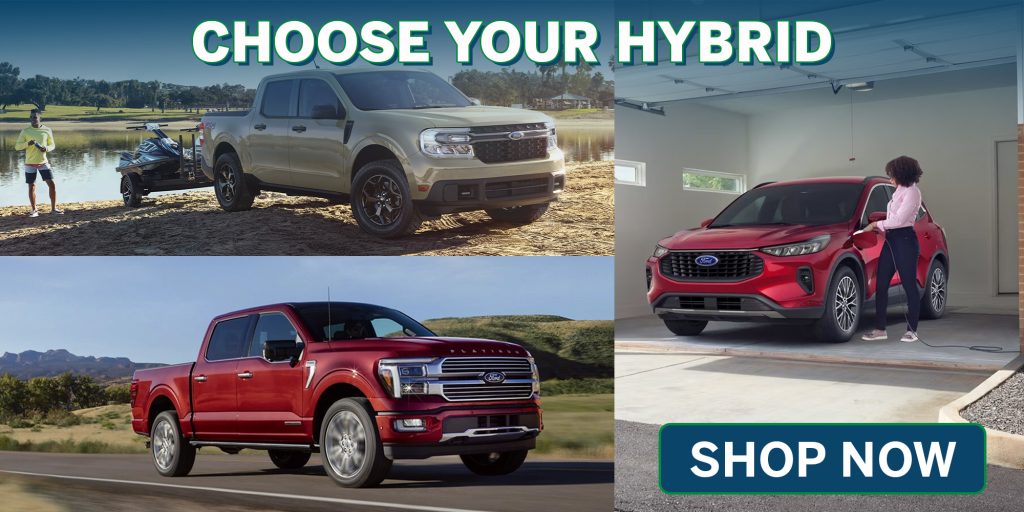
Driving The Future With Ford
At Wiscasset Ford, we understand that drivers are seeking innovative and efficient solutions for their daily driving needs. Whether you’re commuting daily, adventuring on weekends, or handling tough jobs, Ford’s innovative hybrid lineup offers an intelligent balance of performance and efficiency. Yet how does Ford’s hybrid technology work, and why is it such a smart choice for drivers across Maine and beyond? In this article, we’ll explore how Ford’s hybrid systems operate, how they differ by model, and why more and more people are making the switch. Visit us today in Wiscasset, ME!

What Is Hybrid Technology?
In simple terms, Ford’s hybrid technology combines two power sources: a traditional gas engine and an electric motor powered by a battery. These systems work together and sometimes separately to make your drive smoother, quieter, and way more fuel-efficient. When you’re driving slowly or coasting, the electric motor can handle things on its own. The gas engine kicks in when you hit the gas or need more power. A hybrid can be a full hybrid, which charges itself as it drives, or a plug-in hybrid, which can be charged at home or on the go for short electric-only trips.
How Do Ford Hybrids Work?
The Ford hybrid powertrain is designed to provide a seamless driving experience at the push of the accelerator. When you start from a complete stop, the electric motor utilizes stored battery energy for a smooth and quiet launch, ensuring no harmful emissions. As you accelerate, either the Atkinson-cycle or EcoBoost® gasoline engine kicks in, working together with the electric motor through an advanced continuously variable transmission or a specialized 10-speed hybrid system. This Ford hybrid technology maximizes both power and efficiency, with peak battery output boosting overall performance.
When it’s time to slow down, simply press the brake pedal, and the electric motor transforms kinetic energy back into electricity, replenishing the battery. This results in gentle, controlled deceleration, unlike the abrupt shifts found in some other vehicles.
Additionally, the engine automatically turns off when you come to a stop at traffic lights, helping you save fuel while the battery maintains power for your infotainment, climate system, and phone charging. Ford’s hybrid technology optimizes energy use by relying on electric power at lower speeds and employing regenerative braking to recover energy. If you need to merge on the highway or tackle a steep incline, the Power-On-Demand feature seamlessly combines the full power of the engine with immediate electric torque, offering an exhilarating boost that surprises you despite its eco-friendly credentials.
How Does the Ford Escape Hybrid Work?
The Ford Escape hybrid is one of the most popular SUVs for a reason. It gives you everything you wanted in a compact SUV, from space and comfort to smart features with the bonus of exceptional fuel efficiency from the Ford hybrid technology. It bears a 2.5L Atkinson-cycle four-cylinder engine or 2.0L EcoBoost® with a lithium-ion battery pack. Together, they allow the Ford Escape hybrid to get up to 42 MPG in the city. Since it’s a full hybrid, you don’t need to plug it in, as the system charges itself as you drive.
How Does the Ford F-150 Hybrid Work?
Under the hood, the Ford F-150 hybrid combines a 3.5L twin-turbo V6 power boost engine with a powerful electric motor. Together, they crank out 430 horsepower and 450 lb.-ft. of torque, with electric power enhancing overall performance by providing quick acceleration and optimizing fuel savings through automatic switching based on driving conditions. You can also tow up to 12,700 lbs., and the available Pro Power Onboard generator lets you plug in tools or appliances directly from the truck.
How Does the Ford Maverick Hybrid Work?
If you’re looking for a compact, efficient, and budget-friendly pickup, the Ford Maverick hybrid might be exactly what you need. Its Ford hybrid technology runs on a 2.5L Atkinson-cycle gas engine with an electric motor and battery, similar to the Ford Escape hybrid setup. Battery power significantly enhances fuel efficiency, contributing to an EPA-estimated 42 MPG in the city and 33 MPG on the highway, almost unheard of in the truck world.
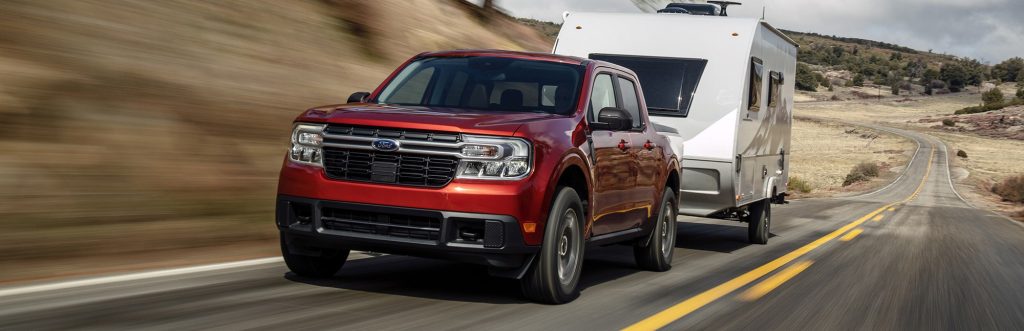
The Smarter Road Starts Here
At Wiscasset Ford, we believe hybrid vehicles shouldn’t feel like a compromise, and with Ford’s hybrid technology, they don’t. Whether you need a capable truck, a versatile SUV, or something compact and efficient, Ford has built a hybrid for your lifestyle, enhancing fuel efficiency and reducing emissions. The Ford Motor Company has played a crucial role in advancing hybrid technology, blending the functionality of a traditional SUV with eco-friendly innovations. Ready to drive smarter today? Visit Wiscasset Ford in Wiscasset, ME, today and see what a Ford hybrid can do for you!

Making Sense Of Hybrid Maintenance
If you’ve been kicking around the idea of going hybrid, but you can’t help but ponder the question, “Do hybrid cars require more maintenance?” this article is for you. At Wiscasset Ford, we see every flavor of Ford hybrid roll through our bays, from fuel-sipping Ford Mavericks to workhorse Ford F-150 Powerboost® models. After thousands of oil changes, break jobs, and battery health checks, we can confidently say hybrid vehicle maintenance is simpler, less frequent, and easier on the wallet than most drivers expect. While hybrid vehicles often come with a price premium, this initial cost can be offset by savings in maintenance and fuel costs. In this article, we’ll walk through what maintenance a hybrid car needs, compare real-world costs, and share a few pro tips for keeping your electrified Ford happy on Maine roads. Visit us today in Wiscasset, ME!
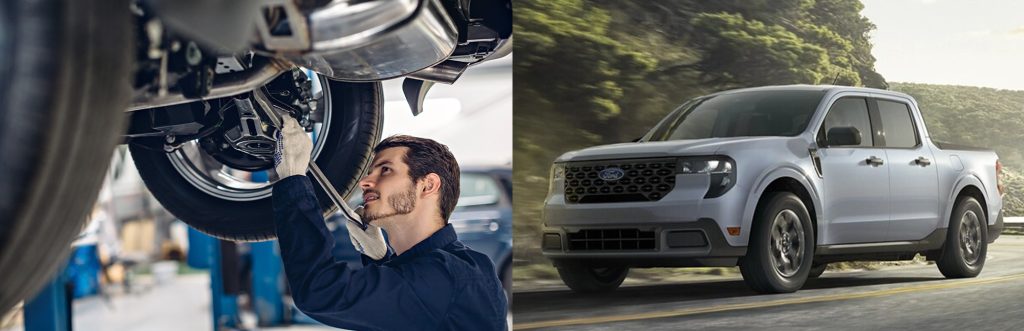
Understanding Hybrid Maintenance
At a glance, hybrid cars might seem more complex due to their combination of an internal combustion engine and an electric motor. However, that doesn’t automatically mean more maintenance compared to regular cars. The opposite is often true of hybrid vehicle maintenance. Hybrid vehicles typically experience less wear and tear on major engine components. The electric motor takes over at low speeds and during idling, reducing strain on the gasoline engine. That means fewer oil changes, longer brake life, and smoother operation.
What Maintenance Does A Hybrid Car Need?
Hybrid cars share many maintenance needs with traditional gas-powered vehicles, but they also benefit from several unique efficiencies.
Oil Changes
Hybrid engines still use oil, but because the gasoline engine doesn’t run as frequently, oil change intervals are often extended. Depending on driving habits and manufacturer recommendations, you might only need one every 7,500 to 10,000 miles instead of 5,000.
Brakes
Hybrids use regenerative braking, which slows the vehicle by using the electric motor instead of traditional brake pads. This extends the life of your brake pad significantly, as some hybrid owners report brake pads lasting over 100,000 miles.
Cooling Systems
Just like conventional vehicles, hybrids need occasional coolant checks and changes to keep the engine and battery systems within safe temperatures during hybrid vehicle maintenance appointments.
Battery System Maintenance
Properly maintained hybrid batteries are designed to last way beyond 100,000 miles and are backed by extended warranties, some up to eight years or more. While replacement can be costly, it’s rare and often not needed during a typical ownership period. Maintaining hybrid battery packs is crucial as they play a significant role in powering the vehicle and ensuring its optimal performance and longevity.
Transmission Fluid
Some hybrids use electrically controlled continuously variable transmissions, which tend to have fewer moving parts and often require less maintenance.
Cabin and Engine Filters, Wipers, Tires
These are all standard maintenance items across all vehicles and remain the same in hybrids.
Software Updates
Hybrid systems are controlled by smart technology, and occasionally, your dealership may perform software updates as part of a regular service. These are typically included and low cost.
Are Hybrids More Expensive To Maintain?
One of the biggest myths among hybrids is the idea that they are more expensive to maintain. In reality, hybrid vehicle maintenance costs tend to be lower or comparable to traditional vehicles, especially over the car’s life. Fewer oil changes, less brake wear, longer component lifespan, extended warranties, and fuel savings offset costs. The maintenance cost of hybrid cars is also easier because most service needs are predictable, including the care of the hybrid battery. With scheduled service intervals and high reliability, you’re less likely to experience sudden or unexpected repair bills.
Fuel Efficiency and Savings
One of the standout benefits of hybrid cars is their exceptional fuel efficiency. Hybrid vehicles can achieve significantly better mileage than conventional gas-only vehicles, particularly in city driving conditions. To maximize fuel efficiency, hybrid car owners should adopt good driving habits and regularly schedule hybrid vehicle maintenance appointments on time. Accelerating slowly, maintaining a consistent speed, and utilizing regenerative braking can all contribute to better fuel economy. For instance, driving at low speeds and allowing the electric motor to handle more of the workload can significantly reduce fuel consumption and emissions. By being mindful of your driving habits, you can enjoy substantial fuel savings and a reduced environmental footprint.
Do Hybrid Cars Require More Maintenance Than Gas Vehicles?
In many cases, hybrid cars require the same maintenance as their gas counterparts. While hybrids do have a dual power system, the electric components are largely self-regulating and don’t add to your daily or monthly service routines. However, hybrids often require the same regular tune-ups and oil changes as a gas-only vehicle. The first few years of hybrid ownership require little to no service beyond tire rotations, cabin filter replacements, and the occasional oil change. Compare that to a conventional gas vehicle, where oil changes, spark plug replacements, and brake pad swaps are more frequent, and it’s easy to see how hybrid vehicle maintenance can be more convenient and affordable.
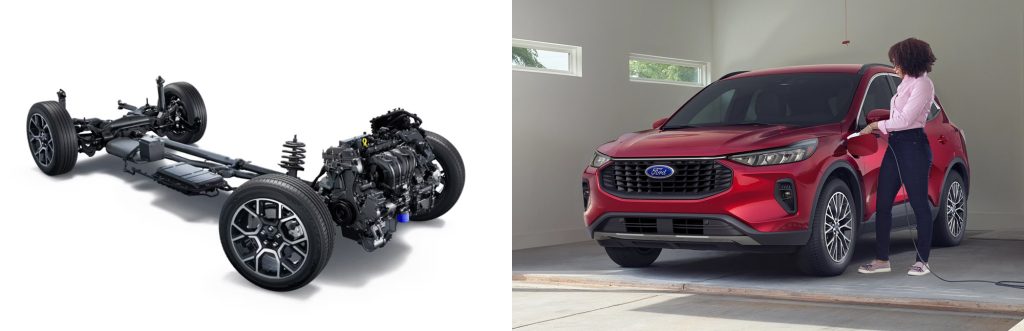
Hybrids Are Easier To Handle Than You Think
So, what kind of maintenance does a hybrid car need? The answer is surprisingly little, and what it does need is often less frequent and more affordable than what you’d expect from a traditional gas car. Here at Wiscasset Ford, we want our customers to confidently make decisions around the car they buy, especially when that means a new engine system they’re not familiar with. That’s why we’re here to debunk the myths around hybrids and help you understand that hybrid vehicle maintenance is far from intimidating. Whether you’re thinking about making the switch, already own a hybrid, or want expert care, we’re here to support you every step of the way. Visit us today in Wiscasset, ME!

A Practical Comparison for Savvy Drivers
As electric vehicles become more popular, many consumers are comparing the costs of EV charging vs. gas. Understanding the differences between the EV charging cost vs. gas is crucial in determining which vehicle offers the best value. In this blog, we’ll break down key cost factors such as fuel efficiency, energy prices, long-term ownership expenses, and the availability of charging infrastructure. Keep reading to discover the cost savings of EVs compared to gas vehicles, and visit Wiscasset Ford to explore our selection of electric vehicles!
Understanding EV Charging Costs
The cost of charging an EV varies depending on a number of factors. Unlike gasoline vehicles, which rely on standardized fuel, EVs’ charging expenses fluctuate based on energy prices, charger types, and location. Here are the key factors that affect EV charging costs:
Electricity Prices and Rates
The cost of charging an EV largely depends on electricity prices, which can differ significantly by region. In some areas, electricity rates are relatively low, while in others, they may be more expensive. Additionally, some utilities offer special EV charging rates, which can lower the cost of charging during off-peak hours.
Type of EV Charger Used (Level 1, Level 2, or DC Fast Charging)
There are three main types of EV chargers: Level 1, Level 2, and DC Fast Charging. Level 1 chargers are the slowest but also the least expensive, while DC Fast Chargers can charge an EV much quicker but come at a higher price per session. The cost of a full charge can vary significantly depending on which charger you use.
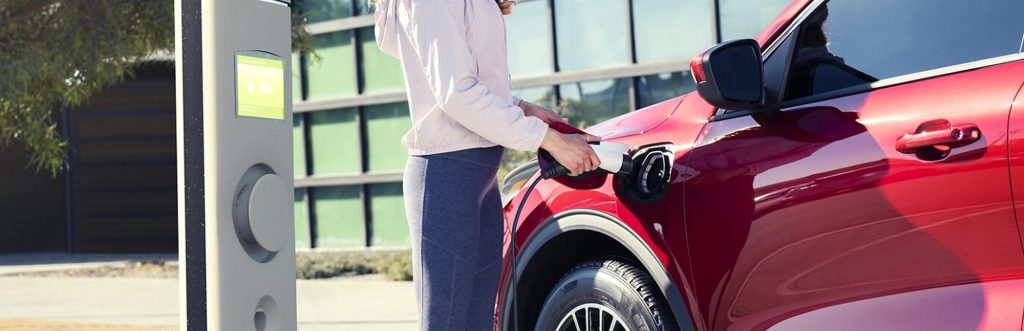
Location and Availability of Charging Stations
Charging costs can also differ depending on the location of the charging station. Some public charging stations, such as those found in shopping centers or dedicated EV charging stations, may charge higher rates. The availability of charging stations also affects convenience—urban areas typically have more charging infrastructure, while rural areas might have fewer stations.
EV vs. Gas Cost per Mile
A great way to compare costs is by looking at the cost per mile for both EVs and gas-powered vehicles. On average, an electric vehicle uses about 0.3 kWh per mile, and with electricity rates varying by location, the cost per mile typically ranges from $0.03 to $0.06. In comparison, a gas-powered car with an average fuel efficiency of 25 MPG and gas prices around $3.50 per gallon results in a cost per mile of approximately $0.14. As you can see, EVs provide significant fuel savings per mile driven.
EV Ownership Costs vs. Gas Vehicles
When comparing the total cost of ownership between EVs and gas-powered cars, it’s crucial to consider factors like fuel expenses, maintenance, and depreciation. EVs generally require less maintenance due to having fewer moving parts. They don’t need oil changes, experience less brake wear thanks to regenerative braking, and suffer from minimal engine wear. As a result, over five years, EV owners can save approximately $4,600 on maintenance costs compared to those driving gas vehicles.
EV Charging Stations vs. Gas Stations: Accessibility and Cost
One common concern for potential EV owners is the accessibility and convenience of charging stations compared to gas stations. While gas stations are widespread, EV charging networks are expanding at a rapid pace. Around 80% of EV charging is done at home, allowing owners to recharge overnight at lower residential electricity rates. Public fast-charging stations tend to be more expensive, with rates ranging from $0.30 to $0.50 per kWh, which can be similar to or slightly cheaper than the cost of gasoline in some cases. However, as the charging infrastructure grows, accessibility and affordability will increasingly favor EVs.
EV vs. Gas: Cost Savings
The cost savings of owning an EV vs. a gas-powered vehicle can be significant. Research shows that EV owners can save between $800 and $1,000 annually on fuel alone. Over the life of the vehicle, total savings can surpass $10,000 when factoring in reduced maintenance costs and possible incentives or tax credits. As renewable energy sources become more widespread, electricity prices are expected to stay stable or decrease, further enhancing the financial benefits of owning an EV.
EV Battery Size and Efficiency
The efficiency of the vehicle’s battery also influences charging costs. A larger battery typically requires more energy to charge, while a more efficient EV can cover longer distances with less energy. As a result, the size and efficiency of an EV’s battery will impact the cost of charging.
Gas Engine vs. EV Battery Cost
When comparing the cost of a gas engine to an EV battery, it’s important to note that while replacing an EV battery can be costly, typically ranging from $5,000 to $15,000, most modern batteries are built to last between 10 and 15 years. Many manufacturers, such as Ford, offer warranties that cover up to 100,000 miles or more, alleviating concerns about unexpected replacement expenses. On the other hand, gas engines also require significant long-term investments in repairs and replacements, including expensive components like transmissions and other critical parts.
Gas Prices and Fuel Costs
Gas prices fluctuate regularly, which can significantly impact the cost of driving a gasoline-powered car. Gas prices are impacted by a wide range of factors, including national averages, regional differences, and geopolitical events. In the U.S., the national average fluctuates due to supply chain disruptions, global oil prices, and other external factors.
Maintenance Costs and Savings
One of the biggest advantages of EVs is their lower maintenance costs. EVs have fewer moving parts, meaning less wear and tear. For example, there’s no need for oil changes, and regenerative braking systems in EVs reduce brake wear. These factors contribute to lower maintenance expenses over the lifetime of the vehicle.
EV Maintenance vs. Gas-Powered Car Maintenance
In contrast, gas-powered vehicles require regular maintenance, such as oil changes, exhaust system repairs, and transmission service, all of which add to the total cost of ownership. As a result, EV owners can expect to save money on maintenance.

Charging Stations and Infrastructure
The availability of charging stations plays a key role in making EVs a more convenient option for drivers. As more governments and private companies invest in EV infrastructure, charging stations are becoming more accessible. Public networks are rapidly expanding, and government incentives are helping to speed up this development.
Public Charging Networks
Many cities and towns now have dedicated charging stations in high-traffic areas, such as shopping malls, office buildings, and even some residential neighborhoods. This expansion in charging infrastructure makes owning an EV more feasible for people living in apartments or areas without home charging options.
Cost of Ownership and Savings
When considering the cost of ownership, it’s important to factor in the upfront purchase price, fuel, maintenance, and depreciation. Due to their rising popularity and the increasing adoption of EV-friendly policies, EVs generally offer lower operating costs and may depreciate slower than traditional vehicles.
Cut Costs with an EV Today
When comparing EV charging costs vs. gas prices, EVs generally offer a more cost-effective and environmentally friendly solution. Lower fuel and maintenance costs, government incentives, and expanding charging infrastructure make EVs perfect for savvy drivers. Whether you’re considering the switch to an EV or simply evaluating the options, the cost savings of an EV are clear, especially as more infrastructure and incentives become available to make the transition smoother. Head to Wiscasset Ford to shop our selection of Ford EVs today!
EV Maintenance Costs vs. Gas: Which is Cheaper?

Comparing Maintenance Costs: Electric Vehicles vs. Gas-Powered Cars
While electric vehicles are celebrated for their environmental benefits and lower fuel costs, traditional gas-powered cars are still the familiar choice for many. Choosing between them ultimately depends on personal preference, but several factors, including maintenance costs, can influence this decision. At Wiscasset Ford, we understand that comparing EV maintenance costs vs. gas vehicle maintenance costs is key to making an informed choice. Whether you’re interested in an electric Ford Mustang Mach-E for everyday commuting or a gas-powered Ford Bronco for off-road adventures, our team in Wiscasset, ME, is here to help you make the right decision. Come in for a test drive today!
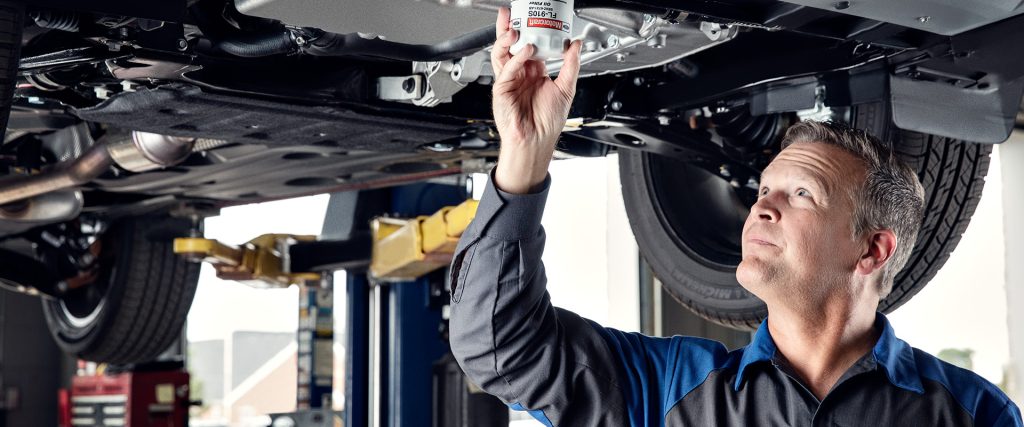
Factors Influencing Maintenance Costs
The maintenance costs of EVs vs. gas-powered cars are impacted by a variety of factors. For EVs, things like electricity rates, charging habits, and local pricing for electricity play an important role. Charging your EV during off-peak hours at home can often be more cost-efficient than using public stations. The type of EV and its battery technology and overall health also affect maintenance costs. Gas-powered vehicles, on the other hand, incur costs related to fuel efficiency, driving style, and fluctuating gas prices. Cars with better fuel efficiency require fewer fuel stops, while aggressive driving can increase maintenance needs.
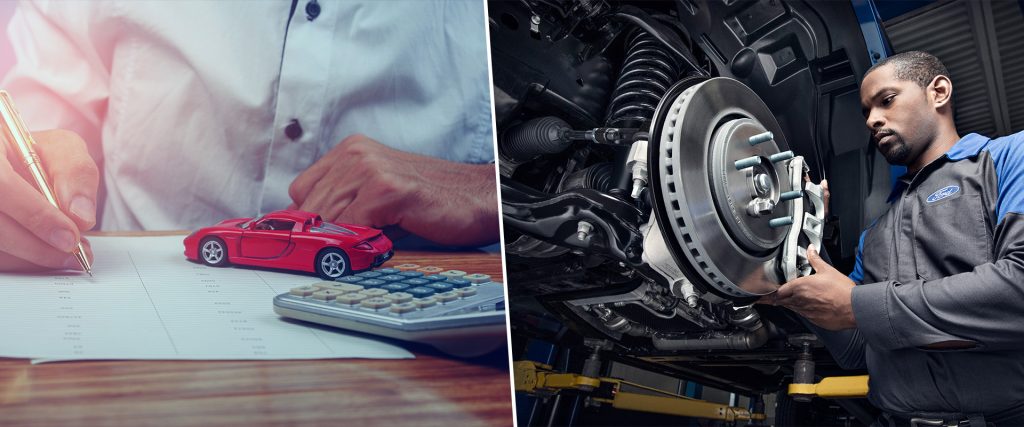
Electric vs. Gas Vehicle Maintenance Costs
While EVs generally have a higher purchase price, the EV maintenance costs vs. gas vehicle maintenance costs tend to be lower. Gas cars have complex combustion engines with many moving parts that need regular upkeep, while electric vehicles operate with simpler electric motors that have fewer components. This simplicity leads to reduced maintenance needs and significant savings over time. Here’s a breakdown of what maintenance involves for each type:
Gas vehicles require more frequent attention to stay in optimal condition, with common maintenance tasks including:
- Oil Changes: Regularly needed to keep the engine running smoothly.
- Transmission Maintenance: Fluid changes and repairs as the vehicle ages.
- Brake Pad Replacements: Wear from frequent braking.
- Engine Tune-Ups: Service for parts like spark plugs and belts.
- Fuel System Maintenance: Cleaning injectors and changing filters.
These services can add up over time. EVs usually require:
- Battery Monitoring: Checking performance and cooling systems as needed.
- Brake Maintenance: While EVs still need brake service, regenerative braking extends the lifespan of brake pads.
- Tire Rotations: To ensure even wear, just like gas vehicles.
- Cabin Air Filter Changes: To maintain clean air inside the vehicle.
- Software Updates: Often delivered remotely to enhance performance.
One of the major differences between EV maintenance costs vs. gas vehicle maintenance costs is the braking system. Many electric cars use regenerative braking, which recaptures energy while slowing the vehicle, reducing brake pad wear, and greatly extending their lifespan compared to traditional braking systems. Overall, if you’re wondering, “Are electric vehicles cheaper to maintain?”, it comes down to your driving habits and engine or battery health.
Total Cost of Ownership: EVs vs. Gas Cars
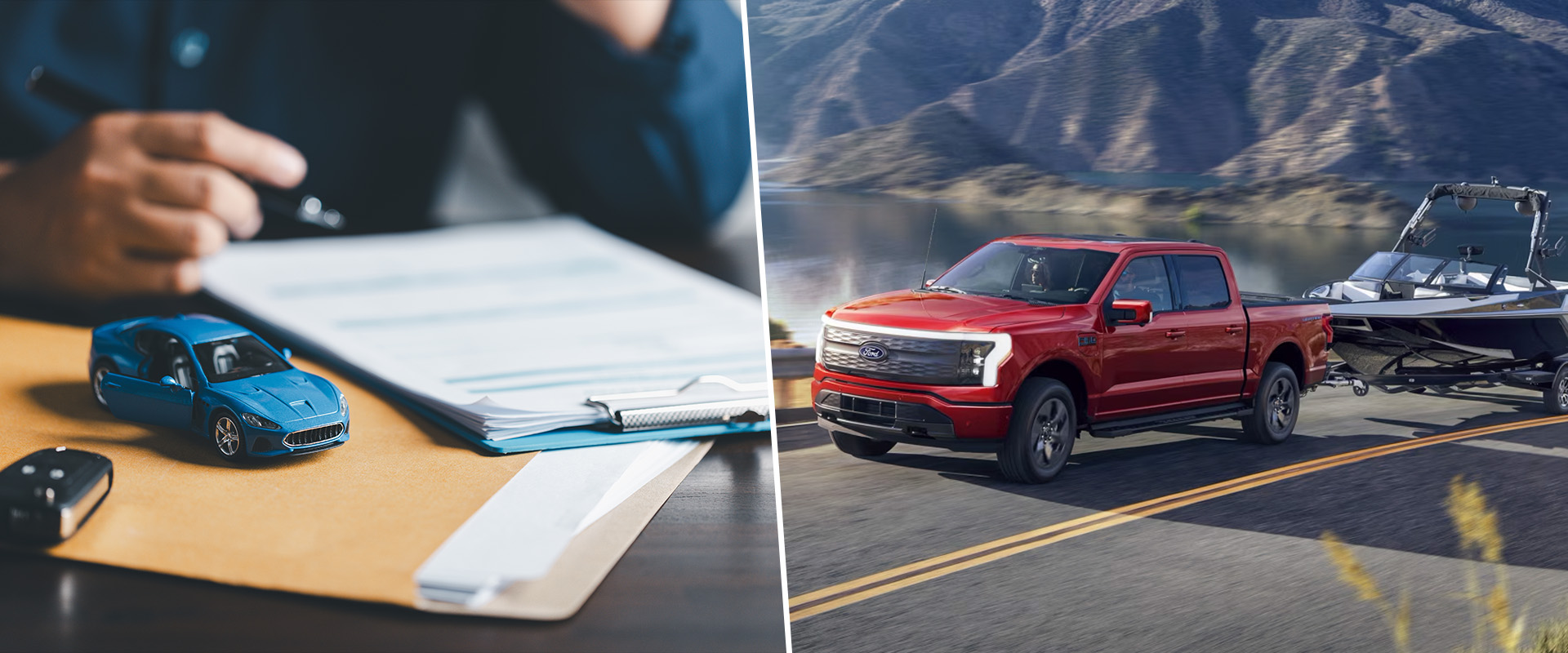
Another important factor when comparing EV maintenance costs vs. gas vehicles is the cost of ownership. EV owners benefit from lower service needs and may also qualify for various incentives like tax credits or rebates, which further reduce ownership costs. For instance, a federal tax credit of up to $7,500 is available for eligible Ford EVs, lowering the overall cost. In contrast, gas-powered vehicles come with ongoing costs for oil changes, brake repairs, and fuel, which can quickly accumulate over time. Let’s take a look at some other benefits of owning each type.
Advantages of Owning an EV
- Battery Lifespan & Replacement: Modern EV batteries are designed to last many years, often with warranties, making battery replacement less of a concern.
- Depreciation & Resale Value: With advances in battery technology and the growing EV charging infrastructure, EV resale values are improving, making them a more appealing long-term investment.
- Insurance Rates: Although EVs may have higher insurance premiums due to specialized repairs, the savings on maintenance and fuel often offset this, and some insurers offer discounts for EV owners.
Advantages of Owning a Gas Car
- Lower Initial Cost: Gas vehicles typically have a lower purchase price than EVs, making them more affordable upfront.
- Wider Refueling Network: Gas stations are everywhere, making refueling easier, especially in areas where EV charging stations are limited.
- No Range Anxiety: Gas cars have a longer driving range and can be refueled quickly, which is ideal for long trips or areas with limited charging infrastructure.
Charge Towards the Future
When it comes to comparing the EV maintenance costs vs. gas vehicle maintenance costs, EVs have a financial advantage. Their simpler design means fewer parts to maintain, eliminating expensive tasks like oil changes and transmission repairs. While the initial cost may be higher, the long-term savings in maintenance and fuel costs and the environmental benefits make EVs an attractive option for those looking to save money and reduce their carbon footprint. At Wiscasset Ford, we’re happy to help you explore the differences in maintenance costs between electric and gas models. Visit us today for a test drive to find your perfect match!
Ford EV Battery Warranty: Coverage Explained

Essential Guide to the Ford EV Battery Warranty: Coverage and Benefits
As more drivers transition to electric vehicles (EVs), understanding warranty coverage is essential for peace of mind. Ford Motor Company ensures that its certified pre-owned EVs come with strong warranty protection through the Ford Blue Advantage EV Certified Limited Warranty. Let’s explore the key details and benefits of this comprehensive plan. Learn more and head to Wiscasset Ford to explore our inventory of Ford EVs today!
Comprehensive Coverage
The Ford Blue Advantage EV Certified Limited Warranty provides 12 months or 12,000 miles (whichever comes first) of coverage. This protection begins after the expiration of the Ford New-Vehicle Limited Warranty or from the date of your certified pre-owned EV purchase—whichever is later. While not as extensive as the original warranty, it offers solid protection for your investment.
BaseCARE EV Coverage
For even greater peace of mind, Ford offers BaseCARE EV Coverage, which extends for 8 years or 100,000 miles from the original new-vehicle warranty start date. This long-term coverage ensures that major EV components remain protected well into your ownership experience.
Affordable Deductibles
If your vehicle is still under the Ford New-Vehicle Limited Warranty, you won’t have any out-of-pocket repair costs. However, once repairs fall under the Limited Warranty, a standard $100 deductible per visit applies.

24/7 Roadside Assistance
Unexpected breakdowns can happen, but Ford provides 24-hour roadside assistance, including:
- Flat tire changes
- Towing assistance up to $100
- Lockout assistance
- Travel expense reimbursement (up to $1,000 for breakdowns more than 100 miles from home)
- Emergency destination assistance (up to $75 for taxi, shuttle, or rental car transportation)
Rental Car Reimbursement
If your EV requires an overnight stay at the dealership for covered repairs, Ford will reimburse up to $45 per day for five days for rental car or alternate transportation expenses.
Where to Get Repairs
To utilize this Limited Warranty, visit your selling dealer or any Ford franchised dealership in the U.S. In case of emergencies when all Ford dealerships are closed, alternative service providers may be used.
Genuine Ford Repairs
Ford ensures all repairs use authorized new or remanufactured parts. If necessary parts are unavailable, Ford may offer a cash settlement equivalent to the repair cost.
Coverage Limits
Ford’s liability for any single repair visit cannot exceed the vehicle’s current retail value, as determined by sources like the National Automobile Dealers Association (NADA) guide.
Maintenance Matters
To maintain your warranty coverage, Ford requires proper maintenance. This means following scheduled maintenance services as outlined in your Owner’s Guide and keeping detailed service records.
Transferability
Thinking of selling your Ford EV? The Limited Warranty is transferable, meaning any remaining coverage stays with the new owner, adding value to your vehicle.
Ford EV Battery Replacement Cost
Battery replacements due to damage or malfunction typically cost between $5,000 and $15,000, depending on warranty coverage and the specific vehicle model.
Benefits of the Ford EV Battery Warranty
- Recycling Program: Ford ensures responsible disposal and recycling of old EV batteries.
- Roadside Assistance: Many Ford EVs include complimentary roadside assistance with towing to the nearest Ford dealership for battery-related issues.
- Comprehensive Coverage: Protects essential battery components, including the battery management and cooling systems.
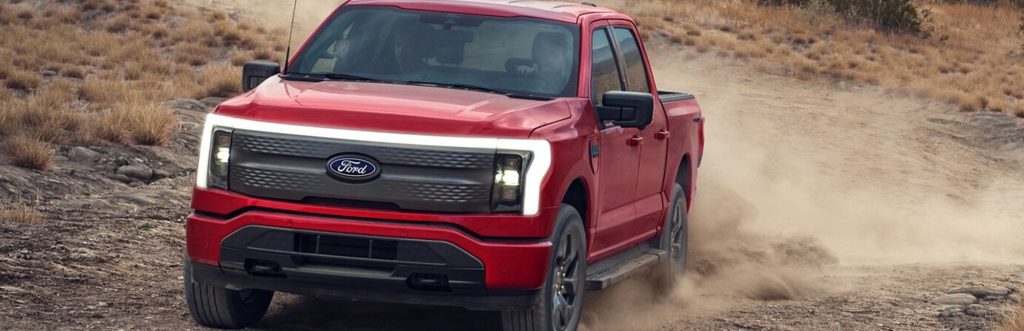
Ford F-150 Lightning Warranty
The Ford F-150 Lightning warranty and Ford Mustang Mach-E EV warranty are covered under the New Vehicle Limited Warranty:
- Electric Vehicle Component Coverage: 8 years/100,000 miles, ensuring at least 70% of original high-voltage battery capacity.
- Powertrain & Safety Restraint System Coverage: 5 years/60,000 miles.
- Bumper-to-Bumper Coverage: 3 years/36,000 miles.
- Corrosion Coverage: 5 years/unlimited miles.
- Roadside Assistance: 5 years/60,000 miles.
Go Electric with Confidence
The Ford EV battery warranty provides comprehensive coverage and benefits, ensuring long-term reliability for electric vehicle owners. If you’re considering a certified pre-owned Ford EV, rest easy knowing your investment is backed by a solid warranty. For more details, contact Wiscasset Ford!
Lease A Ford Mustang Mach-E in Wiscasset, ME

Explore the Best Ford Mustang Mach-E Options Available
Thinking about leasing a Ford Mustang Mach-E? This all-electric SUV delivers advanced technology, impressive performance, and a driving experience like no other. Leasing is a budget-friendly way to enjoy this iconic electric vehicle while maintaining manageable monthly payments. At Wiscasset Ford, we offer some of the best available Ford Mustang Mach-E lease deals. Keep reading to learn everything you need to know about leasing this remarkable SUV and how to secure the best deal. Visit Wiscasset Ford today to shop our inventory and finalize your Ford Mustang Mach-E lease!
Overview of Leasing a Ford Mustang Mach-E
If you’re looking for an affordable way to drive a cutting-edge vehicle without the long-term commitment of ownership, leasing a Ford Mustang Mach-E might be the perfect fit. This sought-after electric SUV combines impressive performance with advanced features, making every drive exhilarating. One of the best parts about leasing? You can upgrade to a new Ford Mustang Mach-E every few years, staying ahead of the curve with the latest models and technological innovations. It’s a smart way to experience the future of driving while keeping your options open.
Lease Prices and Incentives
One of the best reasons to lease a Ford Mustang Mach-E is the potential for lower monthly payments compared to purchasing it outright. Even better, Ford frequently offers enticing lease incentives, such as rebates, low-interest financing, and limited-time specials that can make driving this electric SUV even more affordable. If you’re wondering, “How much does it cost to lease a Ford Mustang Mach-E?” the answer often depends on finding the right deal at the right time. At Wiscasset Ford, we continuously update our lease offers to help you lock in the best value. We suggest using online calculators to estimate your Ford Mustang Mach-E monthly payments to give you a better idea of what you can expect during your term.
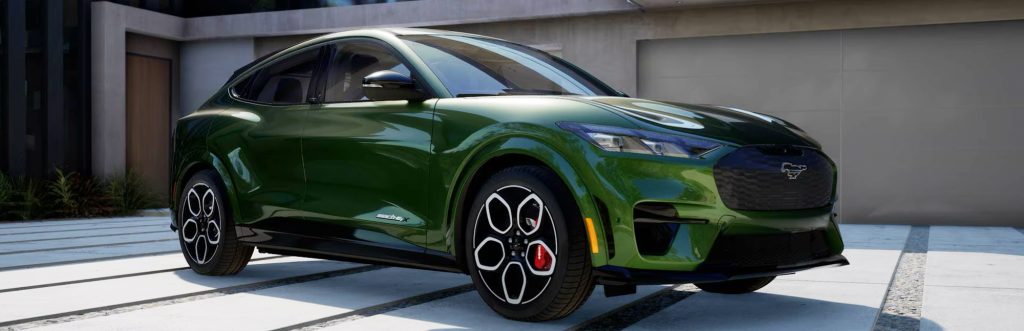
Leasing vs. Buying: Which Is Right for You?
Leasing a Ford Mustang Mach-E comes with unique benefits that might make it more appealing than purchasing. One major advantage is lower monthly payments, as you’re only paying for the vehicle’s depreciation over the lease term rather than its full value. This makes leasing an affordable way to enjoy the latest automotive innovations. Plus, with the option to upgrade every few years, you’ll always be driving a Ford Mustang Mach-E with the newest technology, performance features, and design enhancements.
However, leasing isn’t ideal for everyone. Buying may be a better option if you plan to keep your vehicle for the long haul or drive significant distances. Leases often have mileage limits, and exceeding them can result in extra fees. Not sure which route to take? Online tools can help you compare monthly payments for both leasing and purchasing, making it easier to decide what works best for your budget and lifestyle. Speak with our finance team to discover the Ford Mustang Mach-E lease price that suits your criteria.
How to Find the Best Ford Mustang Mach-E Lease Deals
When evaluating lease offers for the Ford Mustang Mach-E, it’s important to consider several key factors to ensure you get the best value. Start by using an online lease calculator to estimate your monthly payments and compare deals from different dealerships. Keep an eye out for incentives such as low down payments, waived fees, or discounted rates. Be sure that the lease offer covers all relevant expenses, including taxes, registration, and any additional fees. To get a more accurate picture of your costs, request a quote that factors in the first month’s payment as the drive-off amount, along with sales tax and applicable incentives. Since lease deals frequently change, staying patient and waiting for the right offer can lead to significant savings.
How to Lease a Ford Mustang Mach-E
Leasing a Ford Mustang Mach-E is easier than you might think. Start by checking your credit score to ensure you qualify for the most competitive lease rates. Next, take the time to carefully review and understand the lease terms, including mileage limits and potential fees, before signing. When you’re ready, simply complete the online application at Wiscasset Ford. Our expert finance team is here to guide you through the process, answer your questions, and help you find the perfect Ford Mustang Mach-E lease that fits your budget and lifestyle. You can even look into a Ford Mustang Mach-E business lease if you’re seeking a more efficient way to get around within your budget.

Lease Reviews and Ratings
Before committing to a Ford Mustang Mach-E lease, it’s a good idea to research reviews and ratings from other lessees to get an insider’s perspective on the experience. Check out reputable sources like Edmunds and Kelley Blue Book for honest, detailed feedback on the vehicle’s performance, features, and the leasing process. Pay attention to the overall value and customer satisfaction, as these insights can help you make an informed decision. Hearing from others who’ve been through the process can give you a clearer picture of what to expect and ensure you’re making the right choice.
Lease the Legendary Ford EV
Leasing a Ford Mustang Mach-E is a great way to experience the excitement of driving a state-of-the-art electric vehicle without the long-term commitment of a loan. With flexible lease terms and a range of options, including business leases, you’ll find a plan that fits both your needs and budget. Whether you’re drawn to the standard model or the performance-packed Ford Mustang Mach-E GT lease, the Wiscasset Ford team is here to help you find the perfect deal. Take the time to explore your options, compare offers, and fully understand your lease agreement. With a bit of research, you can drive away in a Ford Mustang Mach-E that aligns with your lifestyle and financial goals. Shop our inventory and lease a Ford Mustang Mach-E from Wiscasset Ford today!
Leasing vs. Buying An Electric Car

Lease or Buy EV: What’s Best for You?
The electric vehicle (EV) market is booming, with drivers increasingly switching to eco-friendly rides like the Ford Mustang Mach-E® and the Ford F-150 Lightning®. As electric cars grow in popularity, one major financial decision remains: should you lease or buy an electric car? Wiscasset Ford is here to outline the advantages and disadvantages to assist you in determining whether purchasing a new or used vehicle is the better option for you vs. leasing an electric car.
Why Leasing an Electric Car Might Be Right for You
Leasing an EV can be an excellent option for drivers who value flexibility and staying ahead of the latest technology. Here’s why leasing could be the better choice:
- Access to Cutting-Edge Models: With the rapid advancements in electric vehicle (EV) technology, leasing provides an opportunity to switch to a newer model every few years. This ensures that you are always behind the wheel of a car equipped with the most up-to-date features and enhancements in range.
- Lower Upfront Costs: Leasing typically requires a smaller down payment than buying, making it easier to step into a vehicle like the Ford Mustang Mach-E® without stretching your budget. Additionally, leasing can lead to a significantly lower monthly payment than financing a purchase, making it a more attractive option for those concerned about upfront costs and monthly expenses.
- Reduced Maintenance Worries: Many lease agreements include maintenance packages for leased vehicles, so you’re covered for routine services during your lease term.
- Tax Incentives: Some lease agreements pass federal and state EV tax incentives directly to the lessee, lowering your monthly payments. However, be mindful of mileage limits, as exceeding these can lead to significant extra charges at the end of the lease term.

Leasing companies often provide financial incentives to consumers leasing electric vehicles, passing on tax credits and subsidies to lower lease costs. Understanding the terms and negotiations possible with leasing companies can help maximize potential savings.
Why Buying an Electric Car with a Tax Credit Could Be a Better Investment
While leasing offers plenty of perks, buying an electric car has its own set of benefits that could tip the scales in its favor. Here’s what to consider:
- Long-Term Savings: Owning an EV outright can be more cost-effective in the long run, especially with lower fueling and maintenance costs compared to gas-powered vehicles. Buying a car outright is ideal for those who can afford to pay for the vehicle in full and intend to keep it long-term to take advantage of financial savings.
- Electric Car Buying: While there are benefits to electric car buying, there are also potential downsides and pitfalls, such as financial drawbacks and challenges related to the rapidly changing technology in the electric vehicle market.
- Ownership Benefits: When you own your EV, you’re not limited by mileage caps, giving you the freedom to take road trips without restrictions. EV ownership also allows you to sell or trade the vehicle after some time..
- Federal Tax Credits: When you buy an electric car, you can often take advantage of federal tax credits and state incentives yourself, potentially saving you thousands of dollars. Vehicle warranty is also crucial, as manufacturers often provide longer warranties for EV batteries, benefiting long-term owners.
- Building Equity: As the EV market grows, resale values are stabilizing, meaning you can recoup some of your investment if you decide to sell your vehicle in the future.
Additionally, obtaining the right used car financing is important when purchasing a used electric vehicle, as it ensures you follow general used car buying principles while considering specific factors for EVs, such as vehicle history and pre-purchase inspections.
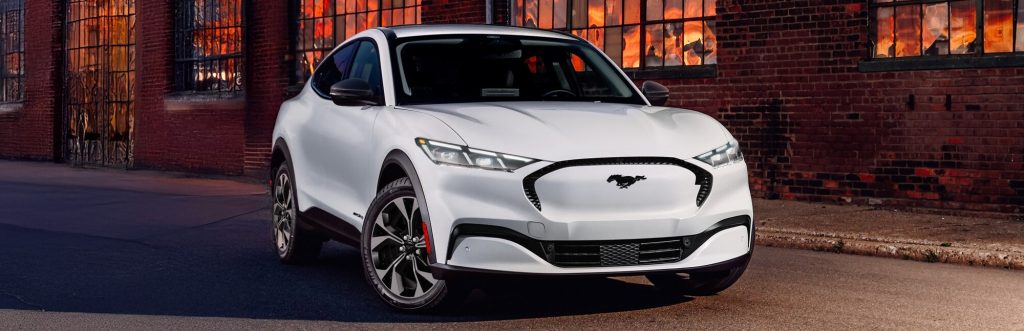
Is It Better to Buy or Lease an Electric Car?
The answer depends on your lifestyle and priorities. Leasing allows consumers to avoid being tied to outdated battery technology, which continues to evolve rapidly. If you’re someone who values flexibility, enjoys driving the newest models, and doesn’t want to commit to long-term ownership, leasing might be the better option. On the other hand, if you’re planning to keep your EV for years and want to maximize your investment, buying an EV could be the way to go.
At Wiscasset Ford, we’re here to help you weigh the pros and cons and find the perfect solution. Whether you’re ready to lease or buy an EV, our team will guide you through the process and ensure you drive off in a vehicle that meets your needs and budget. Leasing often allows consumers to qualify for the full $7,500 federal tax credit without the restrictive conditions that apply to purchasing. Additionally, electric vehicles offer significant advantages over traditional vehicles powered by internal combustion engines, making them a more attractive option for many drivers. The tax credit can make leasing a more attractive financial option for many potential EV drivers.
Explore EV Options at Wiscasset Ford
Still wondering, “Is it better to buy or lease an electric car?” Let the experts at Wiscasset Ford help you decide. Leasing companies often provide financial incentives, such as tax credits and subsidies, which can significantly reduce the overall cost of leasing an electric vehicle. Browse our inventory of electric vehicles like the Ford Mustang Mach-E® and the Ford F-150 Lightning® to find the perfect fit for your lifestyle. It is important to review lease details to ensure you receive all available incentives and negotiate with the leasing company if necessary. Visit our dealership today or contact us to learn more about our lease and financing options. Together, we’ll make your switch to electric seamless and exciting!
Lease A Ford F-150 Lightning in Wiscasset, ME

Find Your Shock Factor
If you’re considering a new pickup truck, why not make it electric? At Wiscasset Ford, we offer exceptional Ford F-150 Lightning lease deals tailored to fit your needs and budget. From business leases to flexible lease options, now is the perfect time to discover how leasing a Ford F-150 Lightning can revolutionize the way you drive.
Top Ford F-150 Lightning Lease Offers and Deals You Need to Know
With its innovative design and powerful capabilities, the Ford F-150 Lightning is redefining what it means to drive a truck. Leasing this cutting-edge electric vehicle is an affordable and convenient way to experience its advanced features. Wiscasset Ford is delighted to provide lease options that accommodate a range of preferences and financial plans. Our dealers are committed to providing transparent pricing and are open to negotiations to ensure you get the best deal possible.
Understanding Ford F-150 Lightning Lease Deals
Leasing a Ford F-150 Lightning is different from buying one outright. Understanding the terms of your lease contract is crucial to ensure you are aware of all the conditions and potential costs involved. Instead of paying for the vehicle’s full cost, you’re essentially paying for its depreciation over the lease term. This leads to reduced monthly payments and gives you the opportunity to switch to the latest model every few years. Monthly lease payments can vary based on incentives, lease term, and mileage limits. At Wiscasset Ford, you’ll find lease options for popular trims like the 2024 Ford F-150 Lightning Pro, XLT, and Flash.
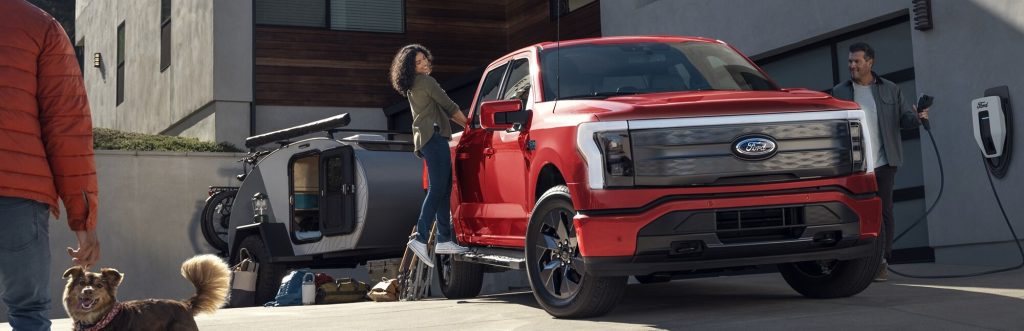
Monthly Lease Payments for the Ford F-150 Lightning
Your monthly payments for a Ford F-150 Lightning lease will depend on several factors, including how much you pay upfront, the model, lease term, and mileage limits. With the flexibility to choose terms that suit your driving habits, leasing a Ford F-150 Lightning makes it easier than ever to drive a top-tier electric truck without committing to a full purchase.
Lease vs. Buy: Which is the Better Option?
Deciding whether to lease or buy a car, such as the Ford F-150 Lightning, comes down to your personal preferences and financial situation. Leasing often costs less per month than financing a purchase and allows you to drive a new vehicle every few years. However, leases do come with annual mileage caps and may include fees for excessive wear and tear. If you plan to keep your vehicle long-term, buying a Ford F-150 Lightning might be more beneficial since you’ll eventually own the truck outright. On the other hand, leasing is perfect for drivers who value flexibility and want access to the latest models.
Factors Affecting Lease Deals
Several factors can influence your Ford F-150 Lightning lease payment, so it’s important to understand what impacts the cost. Another important factor is the residual value of the vehicle, which is the estimated worth of the truck at the end of the lease term and can significantly affect your monthly payments. Mileage limits and down payments are two key elements to consider, as higher mileage caps or lower initial payments can affect monthly costs. Incentives and rebates from manufacturers or dealerships can also significantly reduce payments. Additionally, the length of the lease term plays a role, with longer terms often resulting in lower monthly payments.
Top Lease Offers and Incentives
At Wiscasset Ford, we’re excited to bring you competitive lease offers on the Ford F-150 Lightning. With flexible payment options available across various trims and terms, it’s easy to find a lease deal that aligns with your needs. Check out our latest Ford F-150 Lightning lease deals to find an option that fits your lifestyle and budget. Our dealer incentives and contributions can make a significant difference in the overall cost of your lease.
Finding the Best Lease Deals Near You
Finding the right Ford F-150 Lightning lease deal is easier than ever with our extensive selection of cars available for lease. Start by exploring Wiscasset Ford’s website to compare offers and incentives. Visiting our dealership in person is another great way to speak with our knowledgeable team and negotiate the best deal. Before signing, take time to review the lease terms, including mileage limits, payment schedules, and end-of-lease options, to ensure you’re fully informed.
Drive the Future with a Ford F-150 Lightning Lease
Ready to electrify your drive? Visit Wiscasset Ford to learn more about our Ford F-150 Lightning lease options. Whether you’re looking for a business lease, flexible monthly payments, or a tailored lease price, we’re here to help you find the perfect fit. Drive into the future with the Ford F-150 Lightning today!
Connect with us


