
Is It Cheaper To Insure a New Car Or a Used Car
Is It Cheaper To Insure a New Car Or a Used Car?
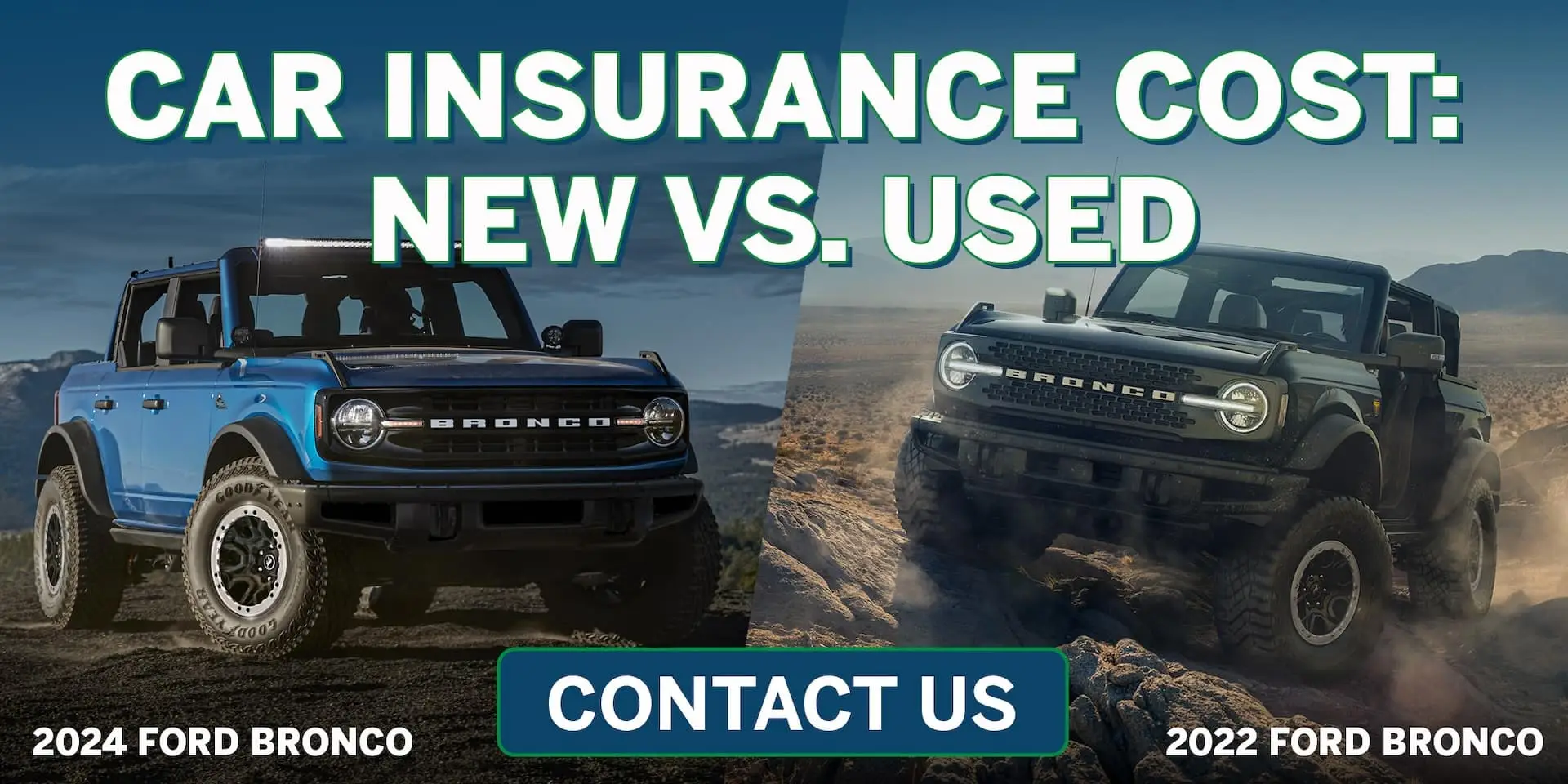

New Car or Used Car: Which Costs More to Insure?
Dreaming of that fresh-off-the-lot feel? Wondering if the price tag includes higher insurance costs? The truth is that determining whether a new or used car will be cheaper to insure isn't always straightforward. At Wiscasset Ford, we believe in empowering our customers with knowledge. That’s why we’re breaking down the details of new vs. used car insurance to help you make a confident decision. After reading, you’ll no longer be conflicted as you question, is it cheaper to insure a new or a used car? Follow along and visit Wiscasset Ford to get your dream vehicle with No Dealer Fees Guaranteed!
Factors That Impact Your Car Insurance Premium
So, is it cheaper to insure a new or a used car? Before we answer that, we’ll dive into some key areas that can affect your insurance costs. Whether you're eyeing a brand-new car or a pre-loved model, several factors influence the cost of insurance. Let's break down the key elements. Depreciation and Replacement Cost: Newer cars typically depreciate faster, meaning they're worth less over time. This can cause lower insurance premiums as the cost to replace the vehicle is reduced. Advanced Technology: Modern cars often come equipped with sophisticated technology. While impressive, these features can be costly to repair, potentially driving up insurance rates.Insurance Coverage Requirements
If you're financing a new car, your lender will likely require comprehensive and collision coverage. This type of policy is generally more expensive than liability-only coverage, which might be sufficient for a used car. Remember: These are just a handful of factors that can impact your insurance cost. Other elements, such as your driving record, location, and chosen coverage levels, also play a significant role in whether it is cheaper to insure a new car or a used car.
Understanding Your Car Insurance Options
Car insurance policies provide an array of coverage options to protect you and your vehicle. Essential coverages include liability insurance, which covers damages caused to others in an accident; and collision and comprehensive coverage, which repairs or replaces your car after an accident or non-collision incident. For personal protection, consider personal injury protection (PIP) or medical payment coverage (MedPay) to help with medical bills and lost wages. Additional options like uninsured/underinsured motorist coverage and rental reimbursement can provide extra peace of mind. Liability Insurance: Liability coverage is typically legally required as it covers you financially if you cause an accident that harms another person or damages their property. It includes two main components: bodily injury liability, which covers medical expenses and other losses for injured passengers, and property damage liability, which covers repairs to the other driver's vehicle or damaged property. Personal Injury Protection: PIP, often called no-fault insurance, covers medical expenses, lost wages, and other expenses for you and your passengers following an accident, regardless of who caused the collision. Comprehensive Coverage: Comprehensive coverage protects your vehicle from damages caused by non-accident events, such as theft, vandalism, fire, or natural disasters. Lenders often require this type of coverage if you're leasing or financing your vehicle. Collision Coverage: Collision coverage helps cover costs for repairs or the replacement of the vehicle if it's damaged in a collision. Full Coverage: Full coverage is a general term that combines liability insurance, PIP, comprehensive coverage, and collision coverage. Medical Payments Coverage: MedPay covers medical expenses for you and other passengers involved after an accident. Unlike PIP, MedPay doesn't cover lost wages or other expenses.Is a New Car Cheaper to Insure?
The cost of car insurance isn't solely determined by whether your vehicle is new or used. While several factors influence your premium, the age of your car is one of them. Generally, insurance tends to be lower for older vehicles due to depreciation. As your car ages, its value declines, reducing the potential payout for a total loss. Consequently, insurance premiums may decrease over time. However, this isn't always the case. Newer cars often come equipped with advanced safety features that can qualify you for discounts. Additionally, your driving record, chosen coverage levels, and the specific insurance company you select significantly impact your premium. Ultimately, the cheapest option depends on various factors. It's always important to compare quotes from multiple insurers to find the best deal for your situation.We’re Here to Help
As you can see, determining whether it is cheaper to insure a new car or a used car depends on various factors. While newer cars may depreciate faster, leading to potentially lower insurance costs over time, they often come with enhanced safety features that could qualify you for discounts. To make an informed decision, compare insurance quotes from multiple providers and consider details such as your driving record, desired coverage, and vehicle safety features. Wiscasset Ford is committed to helping you find the perfect car or truck to fit your needs and budget. Our knowledgeable finance team can assist you in securing an affordable auto loan, whether you choose a new or used Ford. Visit us today to explore your options!
May not represent actual vehicle. (Options, colors, trim and body style may vary)