


Comparing Maintenance Costs: Electric Vehicles vs. Gas-Powered Cars
While electric vehicles are celebrated for their environmental benefits and lower fuel costs, traditional gas-powered cars are still the familiar choice for many. Choosing between them ultimately depends on personal preference, but several factors, including maintenance costs, can influence this decision. At Wiscasset Ford, we understand that comparing EV maintenance costs vs. gas vehicle maintenance costs is key to making an informed choice. Whether you’re interested in an electric Ford Mustang Mach-E for everyday commuting or a gas-powered Ford Bronco for off-road adventures, our team in Wiscasset, ME, is here to help you make the right decision. Come in for a test drive today!
Factors Influencing Maintenance Costs
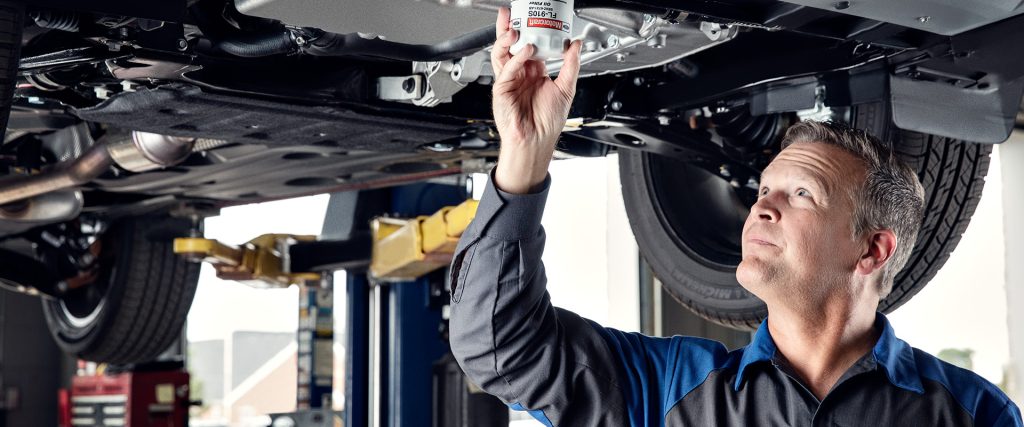
The maintenance costs of EVs vs. gas-powered cars are impacted by a variety of factors. For EVs, things like electricity rates, charging habits, and local pricing for electricity play an important role. Charging your EV during off-peak hours at home can often be more cost-efficient than using public stations. The type of EV and its battery technology and overall health also affect maintenance costs. Gas-powered vehicles, on the other hand, incur costs related to fuel efficiency, driving style, and fluctuating gas prices. Cars with better fuel efficiency require fewer fuel stops, while aggressive driving can increase maintenance needs.
Electric vs. Gas Vehicle Maintenance Costs
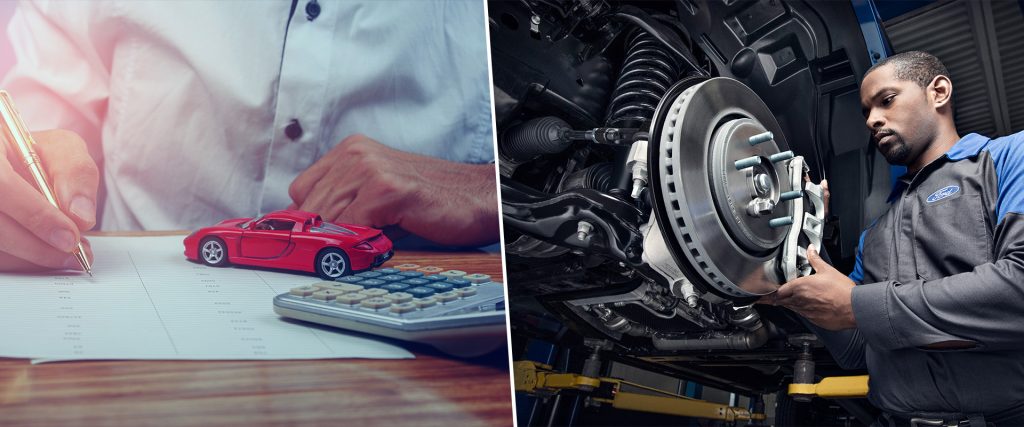
While EVs generally have a higher purchase price, the EV maintenance costs vs. gas vehicle maintenance costs tend to be lower. Gas cars have complex combustion engines with many moving parts that need regular upkeep, while electric vehicles operate with simpler electric motors that have fewer components. This simplicity leads to reduced maintenance needs and significant savings over time. Here’s a breakdown of what maintenance involves for each type:
Gas vehicles require more frequent attention to stay in optimal condition, with common maintenance tasks including:
- Oil Changes: Regularly needed to keep the engine running smoothly.
- Transmission Maintenance: Fluid changes and repairs as the vehicle ages.
- Brake Pad Replacements: Wear from frequent braking.
- Engine Tune-Ups: Service for parts like spark plugs and belts.
- Fuel System Maintenance: Cleaning injectors and changing filters.
These services can add up over time. EVs usually require:
- Battery Monitoring: Checking performance and cooling systems as needed.
- Brake Maintenance: While EVs still need brake service, regenerative braking extends the lifespan of brake pads.
- Tire Rotations: To ensure even wear, just like gas vehicles.
- Cabin Air Filter Changes: To maintain clean air inside the vehicle.
- Software Updates: Often delivered remotely to enhance performance.
One of the major differences between EV maintenance costs vs. gas vehicle maintenance costs is the braking system. Many electric cars use regenerative braking, which recaptures energy while slowing the vehicle, reducing brake pad wear, and greatly extending their lifespan compared to traditional braking systems. Overall, if you’re wondering, “Are electric vehicles cheaper to maintain?”, it comes down to your driving habits and engine or battery health.
Total Cost of Ownership: EVs vs. Gas Cars
Another important factor when comparing EV maintenance costs vs. gas vehicles is the cost of ownership. EV owners benefit from lower service needs and may also qualify for various incentives like tax credits or rebates, which further reduce ownership costs. For instance, a federal tax credit of up to $7,500 is available for eligible Ford EVs, lowering the overall cost. In contrast, gas-powered vehicles come with ongoing costs for oil changes, brake repairs, and fuel, which can quickly accumulate over time. Let’s take a look at some other benefits of owning each type.
Advantages of Owning an EV
- Battery Lifespan & Replacement: Modern EV batteries are designed to last many years, often with warranties, making battery replacement less of a concern.
- Depreciation & Resale Value: With advances in battery technology and the growing EV charging infrastructure, EV resale values are improving, making them a more appealing long-term investment.
- Insurance Rates: Although EVs may have higher insurance premiums due to specialized repairs, the savings on maintenance and fuel often offset this, and some insurers offer discounts for EV owners.
Advantages of Owning a Gas Car
- Lower Initial Cost: Gas vehicles typically have a lower purchase price than EVs, making them more affordable upfront.
- Wider Refueling Network: Gas stations are everywhere, making refueling easier, especially in areas where EV charging stations are limited.
- No Range Anxiety: Gas cars have a longer driving range and can be refueled quickly, which is ideal for long trips or areas with limited charging infrastructure.
Charge Towards the Future
When it comes to comparing the EV maintenance costs vs. gas vehicle maintenance costs, EVs have a financial advantage. Their simpler design means fewer parts to maintain, eliminating expensive tasks like oil changes and transmission repairs. While the initial cost may be higher, the long-term savings in maintenance and fuel costs and the environmental benefits make EVs an attractive option for those looking to save money and reduce their carbon footprint. At Wiscasset Ford, we’re happy to help you explore the differences in maintenance costs between electric and gas models. Visit us today for a test drive to find your perfect match!
Connect with us


