

Advantages of Leasing an EV
Leasing an EV: Pros, Cons, & Advantages

The Top Benefits of Leasing an Electric Car
Leasing an electric vehicle can be a smart move for enjoying the latest technology with lower monthly payments and flexible terms. In this guide, we’ll explore why leasing an EV might be a better option for you compared to buying, highlighting the financial benefits, the latest models, and the peace of mind that comes with maintenance and warranty coverage. Head to Wiscasset Ford to learn more about leasing an EV and explore our electric vehicle inventory!
Key Takeaways
- Leasing an EV offers lower monthly payments and allows you to drive the latest models without the long-term commitment of ownership.
- Leasing includes benefits such as reduced maintenance concerns, making it a financially appealing option.
- Deciding whether to lease or buy an electric vehicle depends on personal priorities, including flexibility, technology upgrades, and the importance of building equity.
Why Lease an Electric Vehicle?
Leasing an electric vehicle offers flexibility and access to the latest technology without the long-term commitment of ownership. Leasing offers first-time EV drivers a chance to experience the benefits of an EV without the financial burden of a long-term purchase. This means you get to drive the latest models and enjoy ongoing advancements in EV technology. One of the most compelling reasons to lease is the lower monthly vehicle payments compared to buying. Leasing typically involves affordable monthly costs, making it easier to drive high-end electric cars. Leasing helps you avoid the risk of owning outdated technology. With the rapid pace of innovation in the EV market, leasing ensures you have access to the newest models without worrying about depreciation. Furthermore, the variety of electric vehicles available for leasing provides plenty of options to suit your preferences and budget.

Leasing vs. Buying An Electric Car
When considering whether to lease or buy an electric car, it’s essential to weigh the initial costs and long-term financial implications and also the pros and cons of leasing an EV. Leasing often involves lower initial costs, allowing drivers to acquire an electric vehicle more easily without significant financial strain. In contrast, buying an electric vehicle can lead to greater cost-effectiveness over time due to reduced fueling and maintenance expenses compared to traditional vehicles. Leasing agreements often include maintenance packages that cover routine services, reducing the burden of unexpected repair costs. This can be a significant advantage, as maintenance for electric vehicles is generally less expensive due to their simpler design and fewer moving parts compared to gas-powered cars. Another critical factor to consider is the ability to stay up-to-date with the latest EV technology. Leasing enables you to drive a new car every few years, ensuring you benefit from advancements in electric vehicle technology. This is particularly appealing given the rapid pace of innovation in the EV market. The decision to lease or buy an electric car ultimately depends on your lifestyle and priorities. If you value flexibility and the ability to switch to newer models frequently, leasing may be the better option. However, if you prefer long-term ownership and building equity in your vehicle, buying might be more suitable. Read our blog for more information!
Lease A Ford F-150 Lightning in Wiscasset, ME
Leasing the Ford F-150 Lightning from Wiscasset Ford offers an economical and practical means to access its innovative features. This all-electric pickup truck provides impressive performance and cutting-edge technology, making it a popular choice among drivers. Wiscasset Ford provides customized lease options designed to meet various needs and financial constraints, ensuring you get the best deal possible. One of the key benefits of leasing the Ford F-150 Lightning is the lower monthly payments compared to purchasing. The monthly lease payments are influenced by various elements, such as initial payment amounts, chosen model, lease duration, and mileage restrictions. This flexibility enables you to select a leasing plan that fits your budget while enjoying a high-end electric vehicle. Whether you need a vehicle for daily commuting or heavy-duty tasks, the Ford F-150 Lightning provides a versatile and sustainable option. Leasing this model ensures you have access to its innovative features without the long-term commitment or financial burden of ownership. Read more about leasing a Ford F-150 Lightning from our dealership over on our blog!
Lease A Ford Mustang Mach-E in Wiscasset, ME
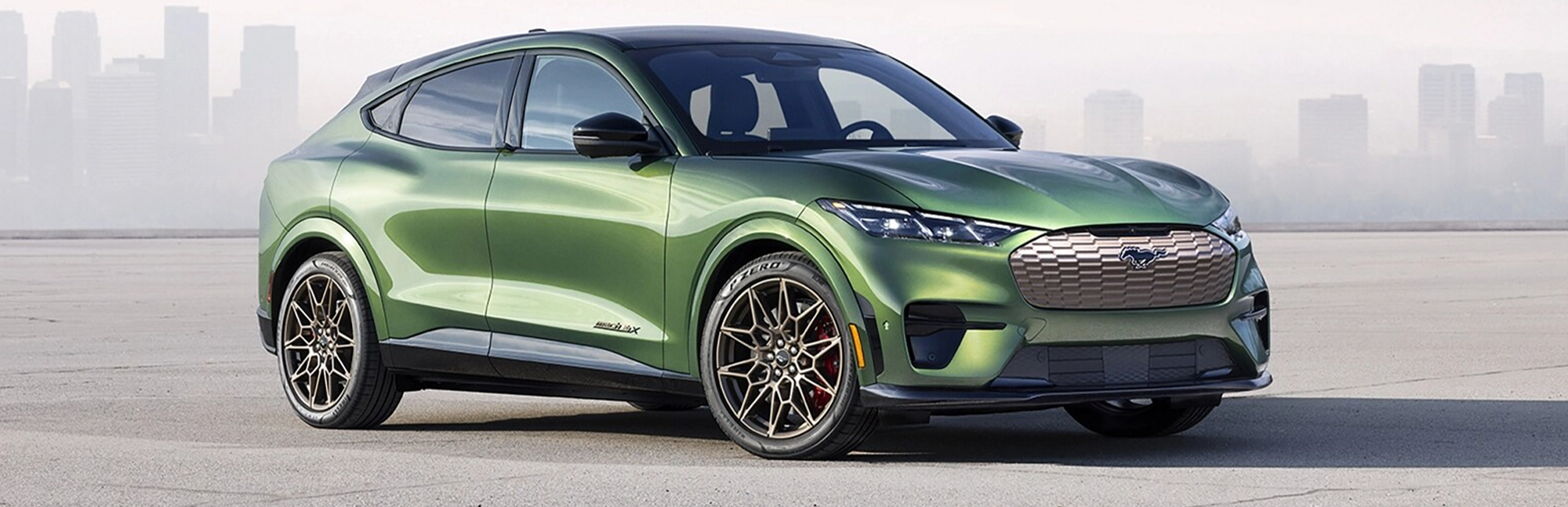
The Ford Mustang Mach-E is another exceptional electric vehicle available for lease at Wiscasset Ford. This all-electric SUV combines performance, style, and advanced technology, making it a desirable option for many drivers. Leasing the Ford Mustang Mach-E offers a financially manageable option due to lower monthly payments compared to buying. One of the primary financial benefits of leasing the Ford Mustang Mach-E is that payments are based solely on the vehicle’s depreciation. This can lead to lower monthly costs compared to purchasing, making it easier to manage your budget while driving a high-end electric vehicle. Additionally, using online calculators to evaluate monthly payments and looking for incentives can help you secure the best deal. When evaluating lease offers for the Ford Mustang Mach-E, it’s essential to cover all relevant expenses. Thoroughly reviewing your lease options ensures you enjoy the benefits of driving a state-of-the-art electric SUV without the financial strain of ownership. Learn more about getting a Ford Mustang Mach-E lease on our blog!

EV Charging Cost vs. Gas
One key benefit of owning an electric vehicle is the potential for lower costs compared to traditional gasoline-powered cars. Electric vehicles typically have a lower cost per mile, which can add up to significant savings over time. Additionally, maintenance expenses for electric vehicles are often lower, and owners may also see a reduction in their overall fuel costs. Another factor to consider is the relative stability of electricity prices. Unlike gasoline, which is subject to frequent fluctuations, electricity rates tend to be more predictable. This consistency can contribute to the long-term financial advantages of owning an electric vehicle, making it an appealing choice for cost-conscious drivers. To compare EV charging costs vs. gas expenses, read our blog post to break down the details.
EV Maintenance Costs vs. Gas
Electric vehicles tend to have lower maintenance needs compared to traditional gas-powered cars due to their streamlined design. Various factors, such as driving habits, charging routines, and advancements in technology, can influence overall maintenance costs. One reason for potentially lower upkeep is the absence of certain mechanical components found in gasoline vehicles. With fewer parts that require servicing or replacement, maintenance demands can be reduced. Additionally, features like regenerative braking may help extend the lifespan of certain components, further contributing to cost efficiency. Routine maintenance for electric vehicles typically includes tasks such as battery checks, brake inspections, tire rotations, and software updates. These maintenance needs can differ from those of gas-powered cars and may result in long-term savings for EV owners. To get into specific numbers and costs, read our blog about EV maintenance costs vs. gas!
Ford EV Battery Warranty
Ford offers warranty coverage for its electric vehicle batteries, providing assurance for EV owners. The coverage extends for a set period or mileage limit, protecting key components and helping to manage potential repair costs. For certified pre-owned EVs, an additional warranty is available for a limited time or mileage after the initial coverage ends. This warranty can be transferred to new owners, which may add to the vehicle’s overall value. Ford’s EV battery warranty is designed to offer protection and support, helping owners maintain confidence in their vehicles over time. Learn more about Ford’s EV battery warranty and other coverage options you can select for your vehicle on our latest blog!

Popular Ford EV Models Available for Lease
Ford offers several popular EV models available for lease, providing a range of options to suit different needs and preferences. The Ford Mustang Mach-E, an all-electric SUV, is a prominent model known for its performance and style. The Ford F-150 Lightning, Ford’s all-electric pickup truck, also offers impressive capabilities and innovative features. For commercial use, the Ford E-Transit electric van is available for lease, providing a sustainable option for businesses.
EV Leasing Advantages
There are plenty of pros to leasing an EV, including:
Lower Monthly Payments
One of the primary benefits of leasing an electric vehicle is the lower monthly payments compared to buying. Leasing an EV typically results in more affordable monthly costs, making it easier for drivers to budget and manage their finances. Monthly payments for leasing are generally lower than financing a new vehicle, as you are only paying for your vehicle’s depreciation during the lease term rather than the full purchase price. Additionally, the initial down payment required for leasing an EV is usually smaller than that for purchasing. This lower upfront cost makes it more accessible for drivers to get behind the wheel of a high-end electric vehicle. Leasing enables frequent access to newer models, ensuring you benefit from modern advancements in EV technology without the high costs of buying.
Reduced Maintenance Concerns
Leased vehicles are typically under warranty during the lease period, which significantly reduces maintenance concerns for drivers. This warranty coverage minimizes out-of-pocket expenses and provides peace of mind by covering most repairs and maintenance tasks. Leasing an electric vehicle often includes services that further reduce maintenance worries, making it a hassle-free option for many drivers. Moreover, leasing provides the assurance that any unexpected repair expenses are likely covered under the warranty. This reduces the financial burden of maintaining an electric vehicle and ensures that you can enjoy a reliable and well-maintained car throughout the lease term.
Financial Benefits of Leasing an Electric Vehicle
Leasing an electric vehicle offers several financial benefits, making it an attractive option for many drivers. These benefits include lower monthly payments and various dealer and manufacturer incentives. Recognizing these benefits helps you make an informed decision that suits your financial goals and driving needs.
Dealer and Manufacturer Incentives
Leasing an electric vehicle can come with financial benefits that significantly lower overall costs. Dealer incentives and manufacturer discounts can reduce the price of the lease, making it a more affordable option for many drivers. These incentives can make a substantial difference in the total cost of leasing an electric vehicle.
Avoiding Depreciation Risks
One of the significant advantages of leasing an electric vehicle is avoiding the risks associated with depreciation. As EV technology and market values change rapidly, owning an EV can result in substantial depreciation losses over time. Leasing absolves you from concerns about the vehicle’s resale value, allowing you to drive the latest models without future market-worth worries. Depreciation is a considerable risk for vehicle owners, taking into account the continuous introduction of new technology and improved models. Leasing eliminates this concern, ensuring you always have access to the latest EV technology without the financial pitfalls of owning a rapidly depreciating asset.
Understanding Lease Terms and Conditions
Understanding all of the terms and conditions of your EV lease is crucial to making an informed decision. Lease terms usually run between 24 to 48 months, with the standard being around 36 months. These agreements typically involve a fixed monthly payment based on the vehicle’s depreciation and rental charges. Before signing, it is crucial to review lease terms thoroughly, including mileage limits, payment schedules, and end-of-lease options. Reviewing these will guarantee that you are fully aware of the obligations and benefits associated with your leased vehicle, helping you avoid any unexpected costs or complications during the lease period.
Mileage Limits
Mileage limits for leased EVs typically range from 10,000 to 12,000 miles per year. Exceeding these limits can lead to expensive charges, ranging between 15 and 50 cents per mile. Choosing a mileage cap that aligns with your driving habits is important to avoid these additional expenses.
End-of-Lease Options
After a lease, drivers often have the option to buy the vehicle at the predetermined price outlined in the lease agreement. Alternatively, you can return the car, pay a small disposition fee, or choose to start a new lease, allowing you to upgrade to a more current model. These end-of-lease options provide flexibility and allow you to decide that best suits your needs and financial situation. Whether you decide to return the vehicle, purchase it, or lease a new model, understanding your options can help you plan effectively for the end of your lease.
Access to the Latest EV Technology
Leasing allows drivers to upgrade to the latest EV models every few years, ensuring you benefit from advancements in EV technology. By leasing, you can access new models with improved features, faster charging capabilities, and enhanced performance without the long-term commitment of ownership. Staying current with the latest technology makes leasing attractive for tech-savvy drivers looking to experience the best EVs have to offer.
Long-Term Cost Analysis
When conducting a long-term cost analysis, it’s essential to consider the potential depreciation and maintenance costs associated with owning an EV. The capacity of an EV’s battery declines over time, affecting the driving range and resale value. Despite these factors, EV maintenance costs tend to be lower than those of gasoline vehicles due to their simpler design. Additionally, EVs often present a more economical choice regarding fuel costs, making them a financially viable option over the long term.
Flexibility and Commitment
Leasing an electric vehicle through a leasing company offers greater flexibility than purchasing one. This flexibility allows drivers to switch to newer models more frequently, avoiding the long-term commitments associated with owning a car. This ability to upgrade to the latest models more often can lead to a better driving experience as technology in electric vehicles continues to evolve.
Ownership and Customization
Owning an EV allows for personal modifications and upgrades that leased vehicles cannot accommodate. If customization and personalization are important to you, purchasing an electric vehicle might be the better option.
Lease an EV Today
Leasing an electric vehicle offers numerous benefits, including lower monthly payments, reduced maintenance concerns, and access to the latest technology. By understanding the lease terms and conditions, you can make a decision that aligns with your financial goals and lifestyle preferences. Whether you choose to lease a Ford F-150 Lightning, a Ford Mustang Mach-E, or any other electric vehicle, the advantages of leasing are clear. From financial savings to staying current with the latest EV models, leasing presents a compelling case for those looking to embrace the future of transportation without the long-term commitment of ownership. Explore your options, evaluate the benefits, and choose what best suits your needs at Wiscasset Ford!
Frequently Asked Questions
What are the benefits of leasing an electric vehicle?
Electric vehicle leasing provides lower monthly payments, access to the latest technology, reduced maintenance costs, and dealer incentives. Such benefits make leasing an attractive option for those looking to drive electric.
How do maintenance costs compare between electric vehicles and gas-powered cars?
EVs typically have lower maintenance costs than gas-powered cars due to their simpler design and fewer moving parts, leading to fewer part repairs and reduced expenses.
What should I consider when evaluating a lease offer for an electric vehicle?
When evaluating a lease offer for an electric vehicle, it is crucial to consider monthly payments, mileage limits, end-of-lease options, and potential fees. A thorough review of these terms will enable you to make an informed decision.
Is Leasing an EV a Good Idea?
Leasing an EV can be a smart decision for many drivers. It offers lower monthly payments, access to the latest electric vehicle technology, and reduced maintenance concerns. Additionally, leasing provides flexibility, allowing you to switch to newer models more frequently without the long-term commitment of ownership.
Is There a Tax Credit for Leasing an Electric Car?
The federal EV tax credit expired on September 30th, 2025.
What are the options at the end of an electric vehicle lease?
You can return the vehicle to our dealership, purchase it at a predetermined price, or start a new lease. These options allow you to choose the best course of action based on your needs.

May not represent actual vehicle. (Options, colors, trim and body style may vary)
More Info
| Monday | 8:00AM - 6:00PM |
| Tuesday | 8:00AM - 6:00PM |
| Wednesday | 8:00AM - 6:00PM |
| Thursday | 8:00AM - 6:00PM |
| Friday | 8:00AM - 6:00PM |
| Saturday | 8:00AM - 6:00PM |
| Sunday | Closed |
| Monday | 7:30AM - 5:30PM |
| Tuesday | 7:30AM - 5:30PM |
| Wednesday | 7:30AM - 5:30PM |
| Thursday | 7:30AM - 5:30PM |
| Friday | 7:30AM - 5:00PM |
| Saturday | 7:30AM - 5:00PM |
| Sunday | Closed |
| Monday | 7:30AM - 5:00PM |
| Tuesday | 7:30AM - 5:00PM |
| Wednesday | 7:30AM - 5:00PM |
| Thursday | 7:30AM - 5:00PM |
| Friday | 7:30AM - 5:00PM |
| Saturday | 7:30AM - 5:00PM |
| Sunday | Closed |