

What Are The Benefits Of Buying A Hybrid Car?
What Are The Benefits Of Buying A Hybrid Car? Pros & Advantages

Is Buying A Hybrid Vehicle Better? Exploring Fuel Economy and Driving Experience
Hybrid cars combine electric motors and traditional engines for better fuel efficiency, lower emissions, and cost savings. In this article, Wiscasset Ford covers the key benefits of hybrid cars and helps you decide if they’re the right choice for you. Visit us today in Wiscasset, ME!
Key Takeaways
- Hybrid cars combine electric motors and combustion engines, providing high fuel efficiency and lower emissions, often exceeding 50 MPG.
- Ford hybrid vehicles utilize regenerative braking, enhancing energy recovery and fuel efficiency while maintaining lower operating and maintenance costs compared to traditional vehicles.
- Modern hybrids are reliable in cold weather, featuring technologies that mitigate battery efficiency loss and generally outperform conventional vehicles in fuel consumption even in winter conditions.
The Advantages of Hybrid Cars
Hybrid vehicles benefit from the best of both electric motors and combustion engines, resulting in high fuel efficiency and reduced emissions. This combination allows hybrids to achieve fuel efficiency rates of over 50 MPG, significantly outperforming their traditional gasoline counterparts. One of the standout benefits of buying a hybrid car is regenerative braking, a system that captures energy during braking and converts it into battery power, thereby improving overall energy efficiency. Compared to all electric vehicles, the benefits of hybrid cars include alleviating range anxiety, as they can switch to gasoline power when needed, making them a practical choice for those not ready to transition fully to electrification.
The environmental pros of hybrid cars cannot be overstated. Benefits of hybrid cars on the environment include:
- Consuming less gasoline helps decrease the demand for fossil fuels and contributes to reduced emissions and pollution.
- Lower operating costs.
- They require less maintenance compared to non-hybrid counterparts.
Hybrids excel in urban areas with frequent stop-and-go traffic by switching to electric power, which conserves fuel and reduces emissions. Offering economic, environmental, and practical advantages, the benefits of hybrid cars make a strong case for modern drivers, including the option of an electric car or a plug-in hybrid vehicle.
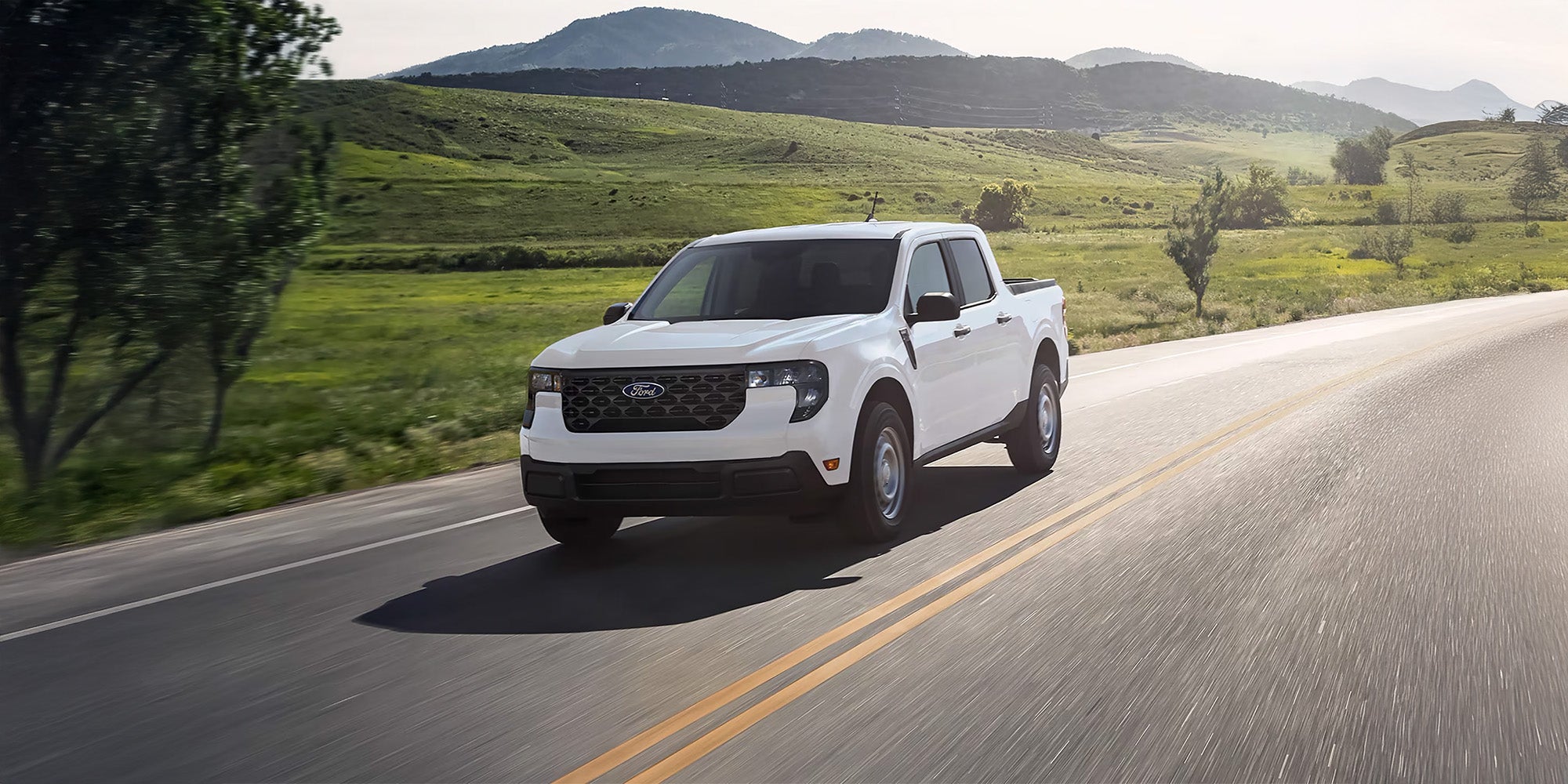
How Much Does A Hybrid Save On Gas?
Hybrid technology merges a traditional gasoline engine with electric motors and a battery, enabling these hybrid electric vehicles to consume less fuel by using electric power in different driving conditions, like stop-and-go traffic. This adaptive power usage significantly boosts fuel economy. Additionally, one of the benefits of hybrid cars is that regenerative braking recovers energy during deceleration, further improving fuel efficiency.
In real-world scenarios, drivers of hybrid vehicles can expect to visit the gas station significantly less often than those driving traditional gasoline vehicles. This translates to substantial fuel savings over time, regardless of specific driving habits. The most significant benefit of hybrid cars is that they help drivers save on fuel and maintenance costs, making them a wise financial choice. Ford offers a range of hybrid models, from the compact and efficient Ford Escape Hybrid to the versatile Ford Maverick Hybrid, catering to different needs and lifestyles. A dealership like Wiscasset Ford can help customers access various hybrid vehicles, provide information on available financing, and assist with incentives to maximize savings.
Beyond the monetary savings, the benefits of a hybrid car also contribute to reducing greenhouse gases and a smaller carbon footprint. This makes hybrids an attractive option for eco-conscious drivers who want to make a positive impact. With the variety of models available, there’s a hybrid vehicle to meet every driver’s needs while delivering impressive fuel economy and reduced emissions.
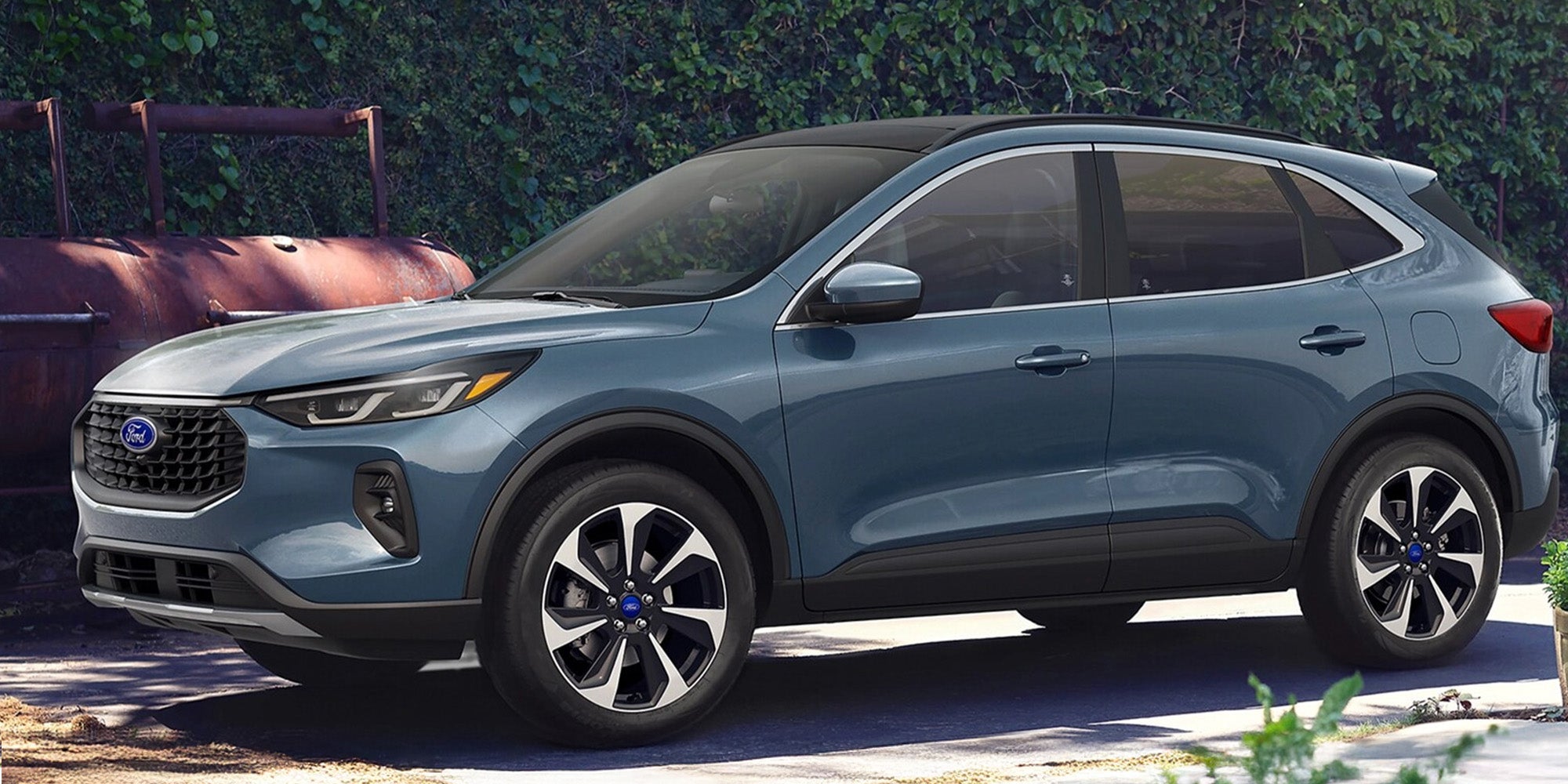
How Do Ford Hybrid Batteries Compare To The Competition?
Ford hybrid batteries are designed for longevity and durability. Most Ford hybrid batteries are expected to last at least 150,000 miles, with many owners reporting over 200,000 miles without significant issues. Whether it’s the Ford F-150 Hybrid or the more compact Ford Escape and Ford Maverick Hybrids, Ford’s lithium-ion battery technology is engineered for demanding conditions and long-term, low-maintenance performance. In addition to durability, the benefits of a hybrid car from Ford include strong performance and acceleration by providing maximum power from the electric motor when needed, offering instant torque, and a responsive driving experience.
A key highlight of Ford’s hybrid lineup is the robust battery warranty. Ford provides an eight-year or 100,000-mile warranty, which is competitive and reassuring for hybrid owners. If a battery replacement becomes necessary, costs usually align with industry standards.
Ford tailors its hybrid battery setups for each vehicle, ensuring optimal performance and durability. This approach is evident in models like the Ford F-150 Hybrid, balancing power and efficiency, and the Ford Escape Hybrid, which prioritizes fuel economy and versatility. With such robust and reliable battery technology, Ford hybrids are a smart choice for drivers looking for long-term performance and efficiency.
Regenerative Braking Explained: A Key Innovation In Ford Hybrids
The Ford regenerative braking system captures kinetic energy, which would otherwise be lost as heat, and converts it into electricity. The benefit of hybrid cars and regenerative braking is that they store this electricity in the battery, enhancing efficiency and extending the electric range. The regenerative braking system also primarily uses the electric motor to slow the vehicle, unlike traditional friction brakes, reducing wear on brake pads and extending their lifespan.
For plug-in hybrid vehicles, regenerative braking is particularly beneficial as it:
- Helps replenish the higher-voltage batteries more effectively, extending the electric-only driving range.
- Recovers an amount of energy that typically falls between 10% and 30%, varying with driving conditions.
- Offers several extra miles of electric range, especially in city driving or stop-and-go traffic. Improves fuel efficiency.
- Contributes to a smoother and more engaging driving experience.
Ford’s hybrid and plug-in hybrid vehicles seamlessly integrate regenerative and traditional friction braking systems to ensure efficient energy recovery while maintaining full stopping power. This dual approach maximizes energy recovery and enhances braking performance, with the benefit of hybrid cars, particularly Ford hybrids, a top choice for those seeking efficiency and advanced technology.
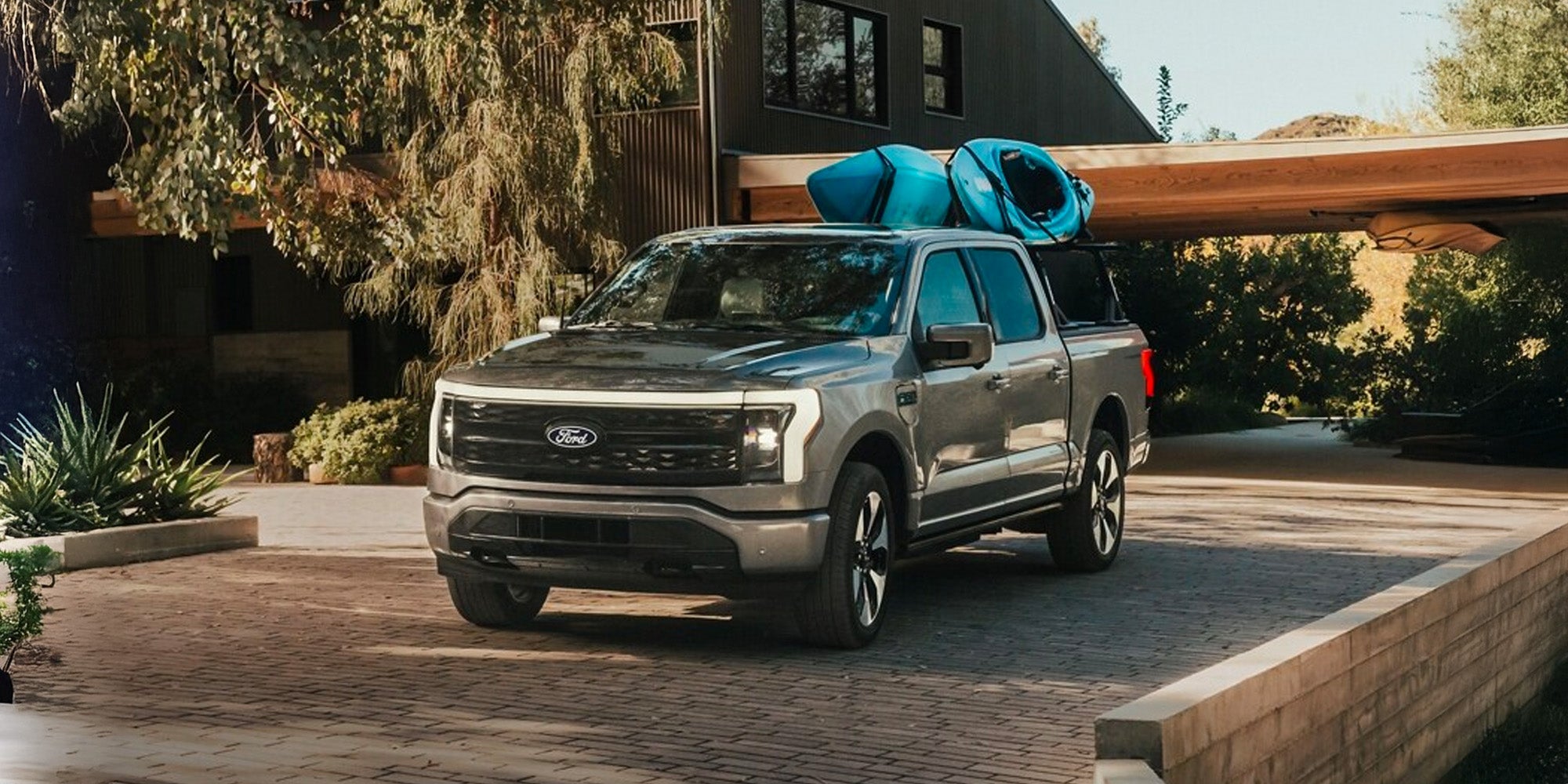
Are Hybrid Cars Good In Cold Weather?
Modern hybrid cars are built to perform reliably in cold weather, thanks to features like insulated battery packs and smart engine control systems that offset reduced battery efficiency. Newer models start as reliably as traditional gasoline vehicles in freezing temperatures, often warming the gas engine automatically for faster cabin heat, ensuring safe and comfortable journeys in harsh winter conditions within the automotive industry.
A hybrid car’s ability to handle snow and ice depends more on its drivetrain and quality snow tires than the hybrid powertrain itself. In areas with harsh winters like Maine, the benefit of hybrid cars with all-wheel drive options is an innovative and efficient choice for year-round driving. While fuel economy can slightly decrease in cold weather due to factors like slower battery warm-up and increased engine use for heat, hybrids generally still outperform traditional gasoline vehicles in terms of fuel consumption and MPG.
Several current hybrid models are engineered for optimal performance in cold conditions, featuring insulated battery packs and advanced control systems to mitigate the impact of low temperatures on performance. With these features, hybrid cars remain a reliable and efficient option for drivers in colder climates.
Ford Hybrid Technology: How It Works & Why It’s A Smart Choice
Ford’s hybrid technology merges a traditional gas engine with an electric motor and battery to balance performance and fuel efficiency. These systems feature:
- Use of electric power at lower speeds
- Engagement of the gas engine for more power when needed
- Regenerative braking which converts kinetic energy into electricity to recharge the battery
Ford offers both full hybrids, which are self-charging while driving, and plug-in hybrids, which can be charged at home or on the go for electric-only trips. Models like the Ford Escape Hybrid, Ford F-150 Hybrid, and Ford Maverick Hybrid showcase varied applications and benefits of hybrid cars, from SUV efficiency to truck towing capacity and onboard power generation. This versatility makes Ford’s hybrid lineup an intelligent choice for drivers seeking to reduce emissions and enhance fuel efficiency without compromising performance.
The hybrid powertrain is engineered for smooth acceleration, beginning with battery power for a quiet start, followed by the gas engine for increased power as needed. This design benefit of hybrid cars provides a seamless driving experience, enhancing both performance and fuel savings. With the added benefits of reduced emissions and advanced technology, choosing a Ford hybrid is a smart and forward-thinking decision for any driver.
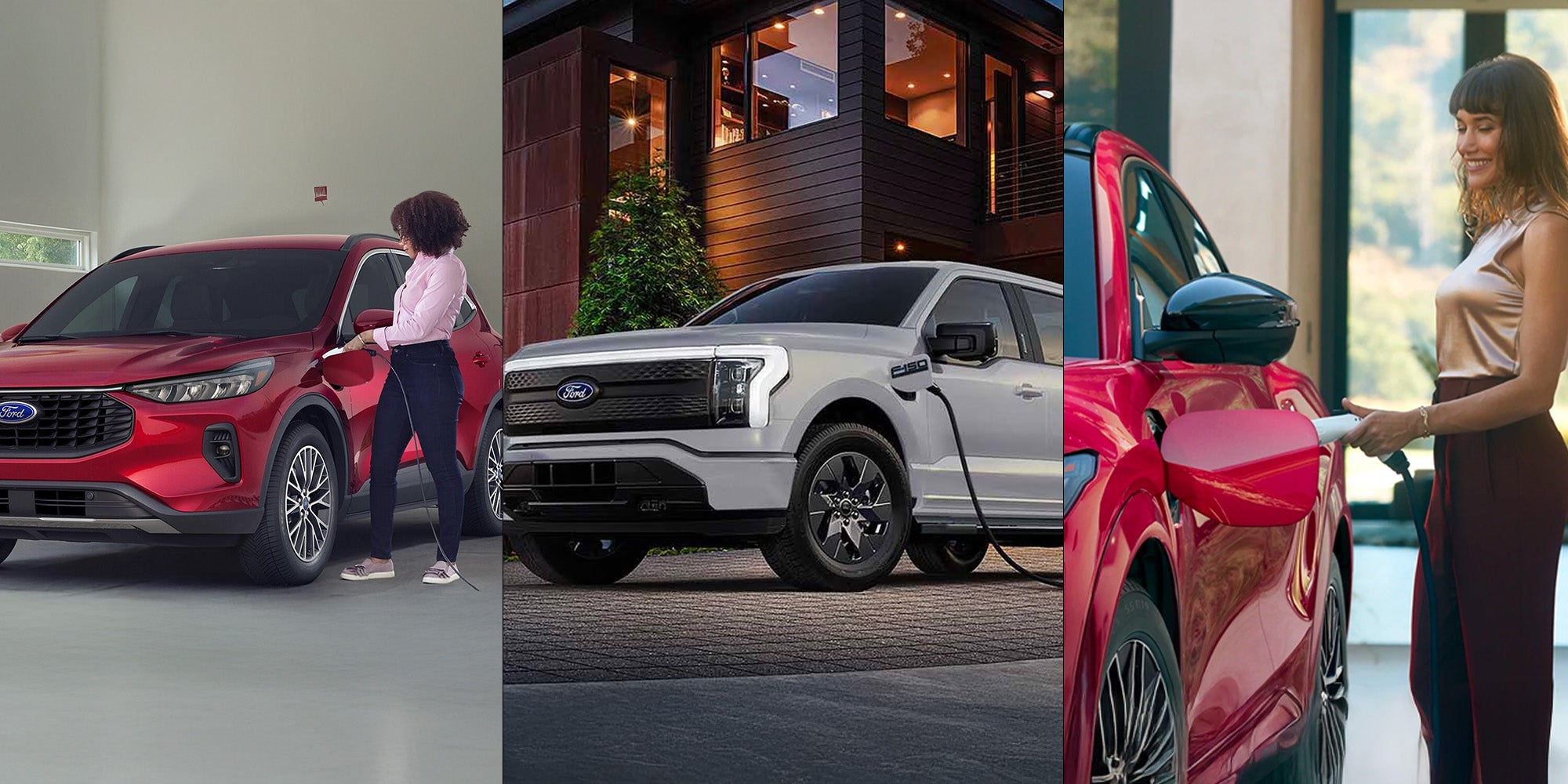
Hybrid Vehicle Maintenance: Lower Costs & Less Hassle Than You Think
Hybrid vehicle maintenance is generally simpler, less frequent, and more affordable than many drivers expect, often offsetting the vehicle’s initial price premium. Key maintenance benefits of hybrid cars include extended oil change intervals, typically every 7,500 to 10,000 miles, due to less frequent engine use. Additionally, regenerative braking significantly extends the lifespan of brake pads, often lasting over 100,000 miles, which can help reduce repair costs and contribute to lower maintenance.
Due to the benefit of hybrid cars being that they have both an engine and an electric motor, they usually experience less wear on major engine components because the electric motor handles low speeds and idling. Battery system maintenance is crucial, but replacements are rare, with batteries designed to last well beyond 100,000 miles and backed by extended warranties. This ensures that hybrid vehicles often require the same or even less maintenance than conventional gasoline vehicles.
Routine tasks like tire rotations and cabin filter replacements are common, and the electric components of hybrid vehicles are largely self-regulating. With lower operating costs and minimal hassle, maintaining a hybrid car and its benefits are more straightforward than many drivers might expect, making them an attractive option for long-term ownership.
Ready To Drive A Hybrid?
There are a multitude of benefits of hybrid cars, from improved fuel economy and reduced emissions to advanced technologies like regenerative braking. Ford’s hybrid lineup, including models like the Ford Escape Hybrid, Ford F-150 Hybrid, and Ford Maverick Hybrid, provides options for every type of driver, ensuring that everyone can find a vehicle that meets their needs. The combination of a traditional gas engine with an electric motor delivers a balance of performance and efficiency that is hard to beat.
Moreover, the cost savings on fuel and maintenance make hybrids an economically sound choice. With extended warranties and robust battery technology, the benefits of hybrid cars from Ford stand out for their reliability and longevity. Even in cold weather, modern hybrids perform admirably, making them a versatile choice for drivers in all climates.
Choosing a Ford hybrid is a smart financial decision and a step towards a more sustainable future. The reduced environmental impact and enhanced driving experience benefits of hybrid cars make them a compelling option for anyone looking to upgrade their vehicle. So, why not take the plunge and experience the benefits of a hybrid car for yourself? Visit us today in Wiscasset, ME, and schedule a test drive to experience the performance and comfort of a Ford hybrid firsthand!
Frequently Asked Questions
How does regenerative braking improve efficiency in Ford vehicles?
Regenerative braking enhances efficiency in Ford vehicles by recovering energy during city driving and stop-and-go scenarios, ultimately extending the electric driving range and improving fuel economy.
Are hybrid cars good in snow?
Hybrid cars can be effective in snow, particularly models equipped with all-wheel drive, as they enhance traction on slick surfaces. It's advisable to consider such features for optimal performance in winter conditions.
What is the warranty coverage for Ford hybrid batteries?
Ford hybrid batteries are covered by a warranty that lasts for eight years or 100,000 miles, whichever occurs first.
How do hybrids save on fuel?
Hybrids save on fuel by combining traditional gasoline engines with electric motors, resulting in reduced fuel consumption, especially during city driving and stop-and-go conditions. This efficient blend optimizes energy use, leading to better overall fuel economy.
What role has the Ford Motor Company played in hybrid technology?
Ford has significantly contributed to the advancement of hybrid technology by integrating traditional automotive capabilities with eco-friendly innovations. This commitment underscores the company's dedication to sustainable transportation solutions.

May not represent actual vehicle. (Options, colors, trim and body style may vary)
More Info
| Monday | 8:00AM - 6:00PM |
| Tuesday | 8:00AM - 6:00PM |
| Wednesday | 8:00AM - 6:00PM |
| Thursday | 8:00AM - 6:00PM |
| Friday | 8:00AM - 6:00PM |
| Saturday | 8:00AM - 6:00PM |
| Sunday | Closed |
| Monday | 7:30AM - 5:30PM |
| Tuesday | 7:30AM - 5:30PM |
| Wednesday | 7:30AM - 5:30PM |
| Thursday | 7:30AM - 5:30PM |
| Friday | 7:30AM - 5:00PM |
| Saturday | 7:30AM - 5:00PM |
| Sunday | Closed |
| Monday | 7:30AM - 5:00PM |
| Tuesday | 7:30AM - 5:00PM |
| Wednesday | 7:30AM - 5:00PM |
| Thursday | 7:30AM - 5:00PM |
| Friday | 7:30AM - 5:00PM |
| Saturday | 7:30AM - 5:00PM |
| Sunday | Closed |